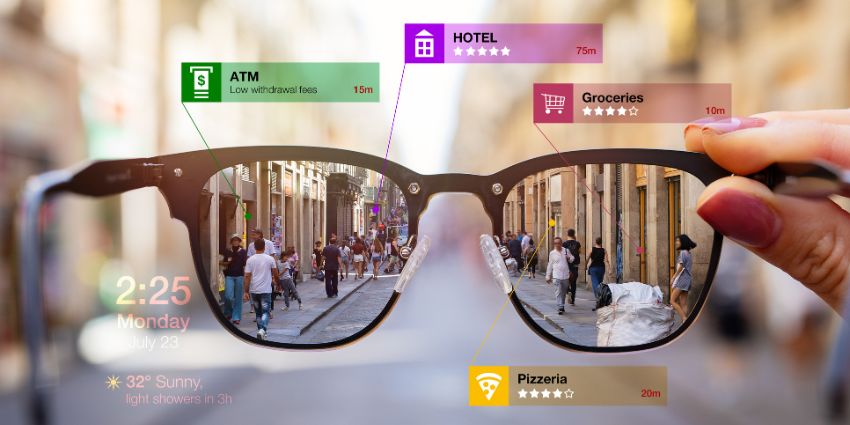

Remember the days when people used to laugh at people with Google Glass specs? Well, those days aren’t totally “over”, but we’re getting there. AR in the enterprise has officially grown up. Field techs, designers, and even healthcare professionals are using smart specs instead of fumbling with phones. It’s a real step forward.
Still, it’s not just the headsets worth looking at if you’re an enterprise buyer these days. The evolving ecosystem of augmented reality accessories, keeping those experiences practical, comfortable, and worth the investment, is worth a browse too.
We’re not just talking about spare cables here anymore (though those are helpful). There’s a whole string of fantastic AR accessories available today, whether you’re looking for extra comfort, style, or a little more immersive power.
The Best Augmented Reality Accessories for Business
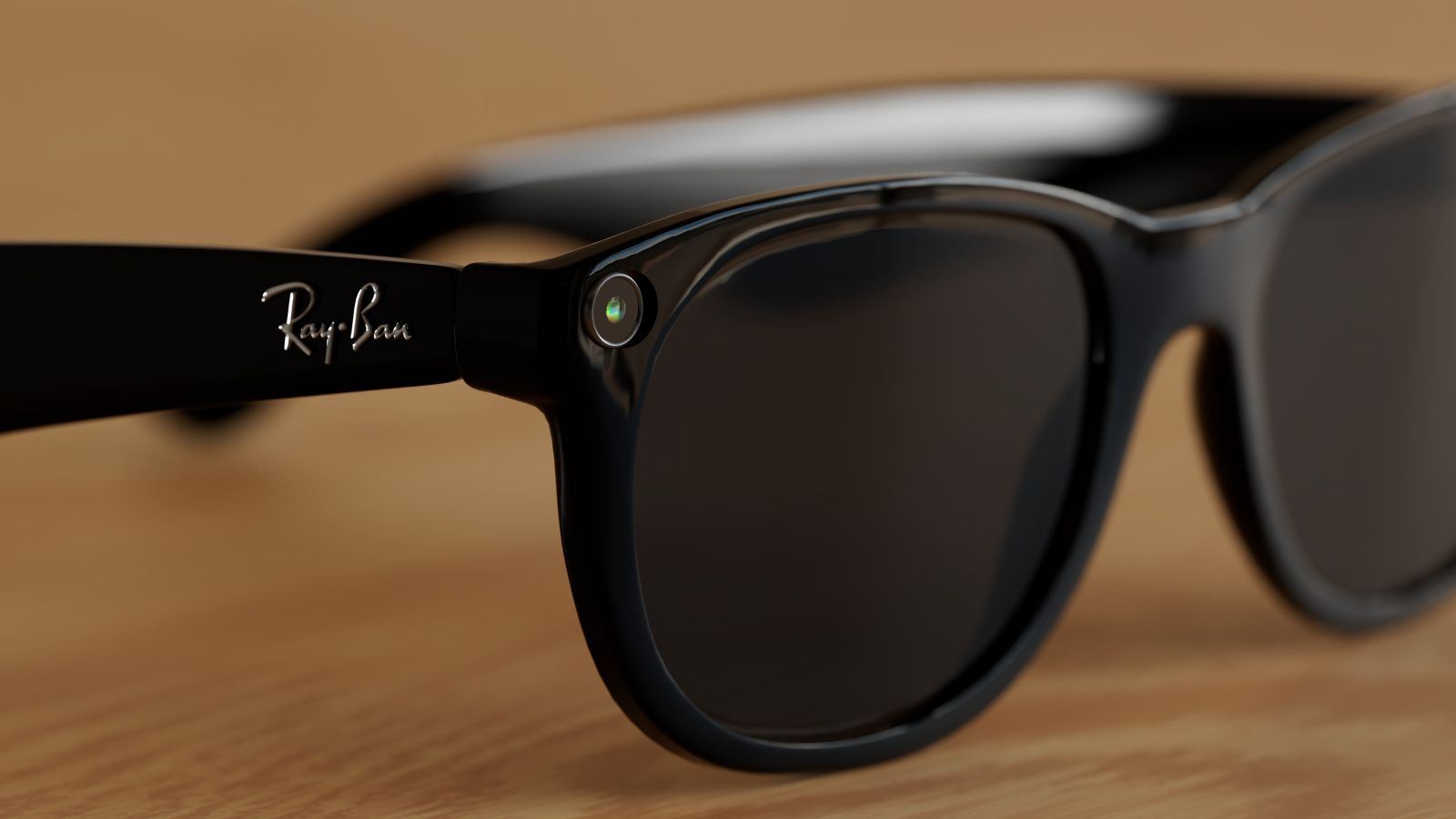
Augmented reality accessories come in a range of different forms, just like AR devices themselves. You’ve got the standard eye chains, light-blocking covers for Meta’s RayBan’s and anti-slip ear hooks, mixed in with brand-new categories of haptic wearables and specialist lenses.
Here are some of the top augmented reality accessories we think could pay off for today’s teams.
Audio Augmented Reality Accessories
Good audio doesn’t get much attention in augmented reality until it’s missing. When voices sound hollow or out of sync with what’s on screen, people notice, particularly in the business world. They start talking about the tech instead of the task. That’s why sound has become a quiet hero in the world of augmented reality accessories.
Spatial audio (supported by apps like Microsoft Teams) does more than create atmosphere; it shapes how teams communicate. In a production floor walkthrough or a remote design session, being able to tell where a voice is coming from changes everything. It gives conversations direction, even when the participants are scattered across continents.
Many companies investing in AR glasses are putting serious thought into sound. Most big names, like Meta’s Ray-Ban Displays, use open-ear speakers: a great idea for awareness, not so much for privacy. If you’re holding confidential discussions, that setup won’t cut it. Over-ear headphones don’t mix well with smart glasses either, which makes compact earbuds such as Apple’s AirPods a better fit. And for teams who care more about room-filling sound than discretion, a full spatial audio speaker setup delivers a much richer sense of depth and space.
Haptic Gloves and Wearables
Touch changes everything. The moment someone can feel what they’re manipulating in augmented reality, the brain stops treating the digital layer as separate from the real one. That’s the power behind this next wave of augmented reality accessories: tools that translate physical sensation into data your hands can trust.
Haptic systems have quietly matured since the first bulky prototypes. The new generation is lighter, wireless, and precise enough for business training and remote operations. The Fluid Reality Gloves, introduced mid-2024, use mid-air pressure feedback to create the impression of contact without cables or heavy exoskeletons. In industrial training or medical simulation, that small detail helps people learn muscle memory faster and retain it longer.
There are plenty of other glove options too, from SenseGlove, HaptX, and ManusPrime. If you want to go a little deeper, full-body haptic suits and vests are worth a try. Field teams wearing Woojer Strap Edge 2 belts or Subpac X1 vests can “feel” engine vibrations or alerts mapped to equipment data, giving an intuitive sense of performance without needing to stare at a dashboard.
Advanced Controllers
There’s a limit to what hand tracking can do. It looks great in a keynote, but try using it to make small adjustments to a 3D model or enter a note during an inspection and it starts to feel clumsy. That’s why physical input tools haven’t disappeared. They’ve just evolved into a quieter class of augmented reality accessories built for work, not wow factor.
The TapXR wristband is one of those small but smart solutions. It sits against the hand like a watch strap, turning finger taps into quick commands. No controller to hold, no cables to trip over. It’s the kind of detail that makes sense in field service or design environments where people need to interact without breaking focus.
Designers and engineers are also picking up lightweight stylus pens and ring sensors to fine-tune shapes or draw annotations inside an augmented workspace. They offer the control that gestures can’t yet match, especially in projects that depend on accuracy down to the millimeter.
Protective Covers and Masks
Not every lightweight pair of smart glasses needs a face mask or cover, but they’re worth keeping around. A simple barrier makes headsets easier to share and more comfortable to wear, especially during long sessions.
For companies rotating devices between teams, these small, augmented reality accessories can mean the difference between a clean, ready-to-use headset and one that sits idle on the shelf.
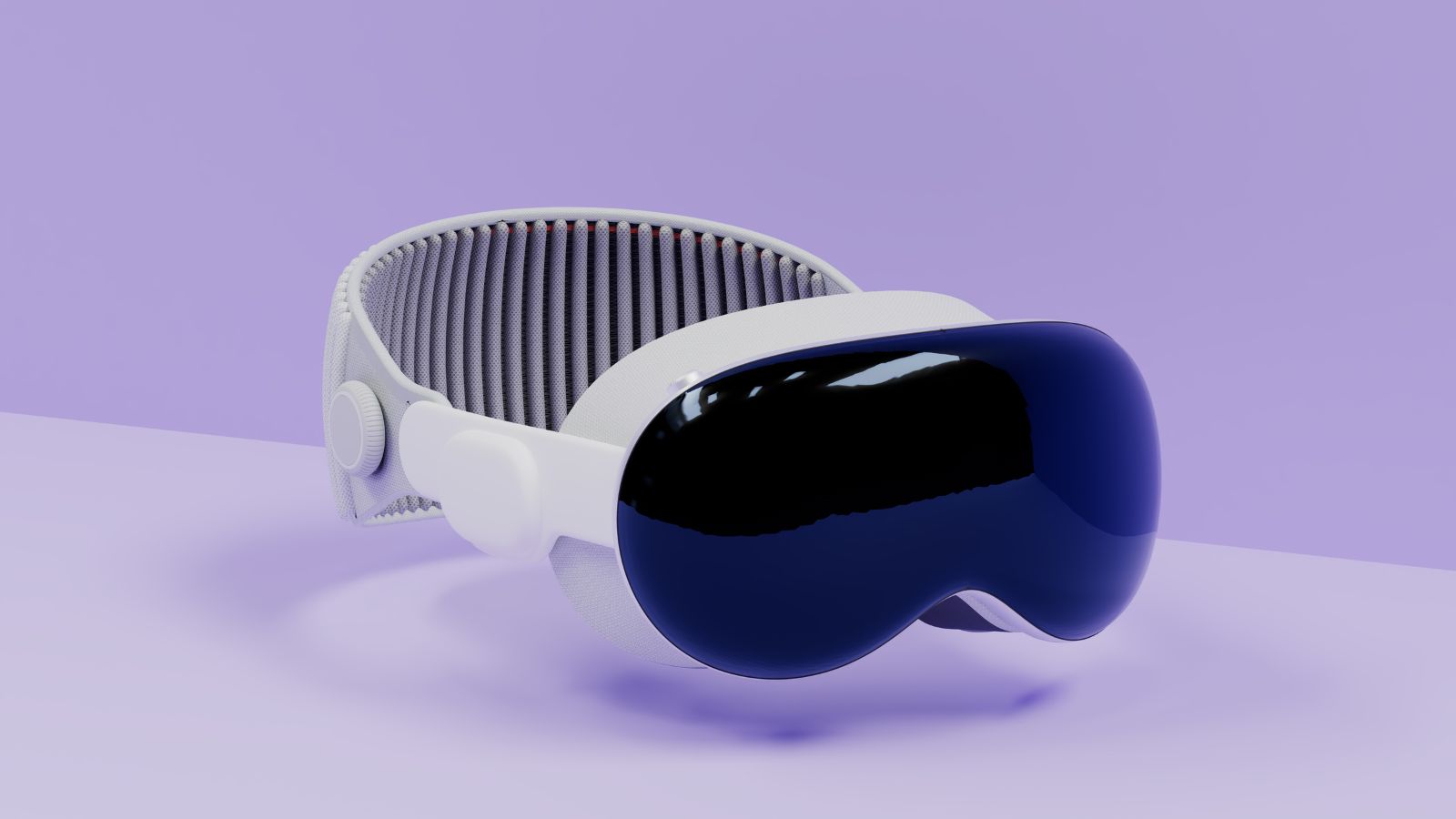
In offices and training centers, disposable covers are now standard. They keep sweat and makeup off the hardware and make sharing equipment less awkward. Companies like VR Cover have gone further, producing washable replacements and hygiene kits for headsets like Apple’s Vision Pro. Apple’s own Light Seal and Light Seal Cushion take the idea up a notch with modular designs that block light leakage while reducing pressure on the user’s face.
Plus, you can get replaceable nose pads and similar options for lightweight glasses, if you really want to take hygiene up a notch.
Customizable Lenses
Early AR headsets were a nightmare for people who already wear glasses. Frames pressed awkwardly against padding, lenses fogged the moment the room warmed up, and every small shift threw the focus off. It seemed minor at first, but in everyday use, that irritation quickly became the thing that stopped people from wearing them altogether.
That gap has led to one of the most practical advances in augmented reality accessories: custom lens inserts. Instead of forcing users to wedge their own glasses under a headset, companies now offer prescription or vision-corrected options that fit neatly into the device itself.
Apple’s partnership with ZEISS set the new standard here. The official ZEISS Optical Inserts for the Vision Pro snap into place magnetically and can be ordered with a user’s exact prescription. It’s a subtle feature, but it completely changes comfort during long sessions. Meta took a similar path with Zenni Optical, letting buyers order prescription inserts that swap straight into their smart glasses.
For businesses rolling out AR at scale, these small adjustments matter. Employees can use the same headset all day without strain, and the equipment becomes more inclusive by default.
Durable Head Straps
Anyone who’s worn an AR/MR headset for more than an hour knows how quickly comfort becomes a dealbreaker. A few grams of extra weight, uneven pressure on the forehead, and a strap that slips when you look down all add up to discomfort.
The latest designs focus on balance and adjustability rather than aesthetics. Apple’s Vision Pro ships with the Solo Knit Band for casual use and the Dual Loop Band for longer sessions, spreading weight evenly across the head to reduce strain. Microsoft took a similar path with its HoloLens 2 overhead strap, developed with industrial and medical teams in mind. The goal is simple: keep the headset stable without reminding the wearer it’s there.
If you’re investing in smart glasses, rather than headsets, adjustable eyeglass straps and flexible glass chains are handy too. Even just those ear grippers we mentioned earlier can make it less likely your glasses will slip off while you’re using them.
Detachable Batteries and Charging Docks
Power is the one thing people underestimate until it fails. You can have the best headset in the world: sharp display, perfect tracking, and it all means nothing once the battery gives up halfway through a shift. Every deployment team eventually learns this lesson, which is why dependable power gear now sits at the heart of serious augmented reality accessories.
Apple’s approach with the Vision Pro gets it right. After an hour of use, it’s clear why the battery isn’t built into the headset. Clipped to a belt or pocket, the external pack keeps the weight off your face and helps the device stay cool. The 2025 update pushed runtime past five hours and added faster charging; small changes that make a noticeable difference over a workday.
Then there are the docks, unremarkable until you need them. A few companies now use shared charging stations where every headset and spare pack slots in overnight. No cords, no clutter, no one hunting for outlets.
Augmented Reality Accessories for Gear Protection
AR headsets come with a serious price tag and don’t handle rough treatment well. One cracked lens or a bit of grit in the wrong port can take an entire unit out of service.
That’s why protective gear pays for itself. Most companies start with the basics: solid carry cases, soft lens cloths, and proper cleaning kits. Apple’s Vision Pro Travel Case resembles a compact camera bag, with molded padding that locks everything securely in place. Similar cases exist for most devices now, and they’re almost always worth the cost.
On busy sites, some teams take it further. Logistics operators use padded shoulder cases so technicians can move between stations hands-free. Others keep microfiber pens and cleaning pads clipped to carts to stop smudges from clouding depth sensors. It’s low-tech, but it saves thousands in repairs.
Why Businesses Are Investing in AR Accessories in 2025
For most companies, extended reality stopped being a side project the moment it started saving time. The early hype around flashy headsets has given way to something far more practical: getting real work done. And that’s exactly where augmented reality accessories are earning their place.
In logistics, AR gear now guides workers through complex picking processes with hands-free instructions and live data overlays. DHL’s vision-picking trials, for example, boosted efficiency by roughly 25 percent, a number that gets every operations manager’s attention. Pairing those glasses with spare batteries and adjustable straps means the system runs all day, not just until lunchtime.
In engineering and product design, accessories such as haptic gloves and stylus controllers help teams manipulate digital twins in real space. The result is fewer prototypes, faster revisions, and shorter project cycles.
Training divisions are seeing similar returns: immersive sessions using audio and tactile feedback improve retention rates by more than 70 percent, according to multiple workforce studies.
Accessibility is improving, too. Prescription lens inserts and open-ear audio options mean more employees can use the same headset comfortably.
This isn’t about gadgets, it’s about scale. The best augmented reality accessories turn isolated experiments into systems that run reliably across teams and departments.
How to Choose Augmented Reality Accessories for Enterprise Rollouts
When procurement teams start planning for scale, these are the details that keep programs on track:
- Compatibility and platform fit: Make sure accessories align with your core software ecosystem. A brilliant haptic glove doesn’t help if it can’t connect to your UC platform or digital twin system.
- Device management and security: Make sure any charging stations or controller hubs fit neatly into your existing IT setup. If different teams share equipment across shifts, that integration really matters.
- Comfort and ergonomics: Adjustable straps, custom lenses, and lightweight audio gear can extend wear time from minutes to hours.
- Accessibility: Prescription inserts, open-ear audio, and modular seals make devices usable across a wider range of staff.
- Power management: Spare batteries and multi-device charging docks prevent downtime, critical for field operations.
- Hygiene and safety: Replaceable seals, brow pads, and cleaning kits aren’t optional anymore.
- Protection and storage: Keep gear moving safely between teams with proper cases and labels.
Remember, you don’t have to kit your team out with everything at once. Play with a few ideas, gather feedback, and build your gearbox out from there.
What’s Next for Augmented Reality Accessories?
The accessories space is starting to evolve as quickly as the headsets themselves. Every new model from Apple, Meta, or Samsung arrives with a growing set of add-ons built to improve comfort, power, and flexibility.
Modular, lightweight components are becoming the new normal for enterprise gear: easy to swap, upgrade, or replace as teams scale up their AR deployments. It’s a sign that vendors finally understand what businesses have been asking for: reliability, not spectacle.
Compute hubs are also re-emerging as powerful augmented reality accessories. Devices like the Rokid Station 2, XREAL Beam Pro, and Apple’s battery module act as small, tethered brains, boosting performance without adding bulk. They’re especially useful for field engineers or creative professionals who need processing power but can’t be tied to a laptop.
The best augmented reality accessories of the next few years will be the ones that disappear into daily operations. They won’t feel like tech; they’ll just make everything else work better.