The Rise of the Megamanager: How AI Is Rewriting Management Roles

From β€œpure managers” to AI-powered player-coaches, enterprise leadership is being forced into a more hands-on model.

5
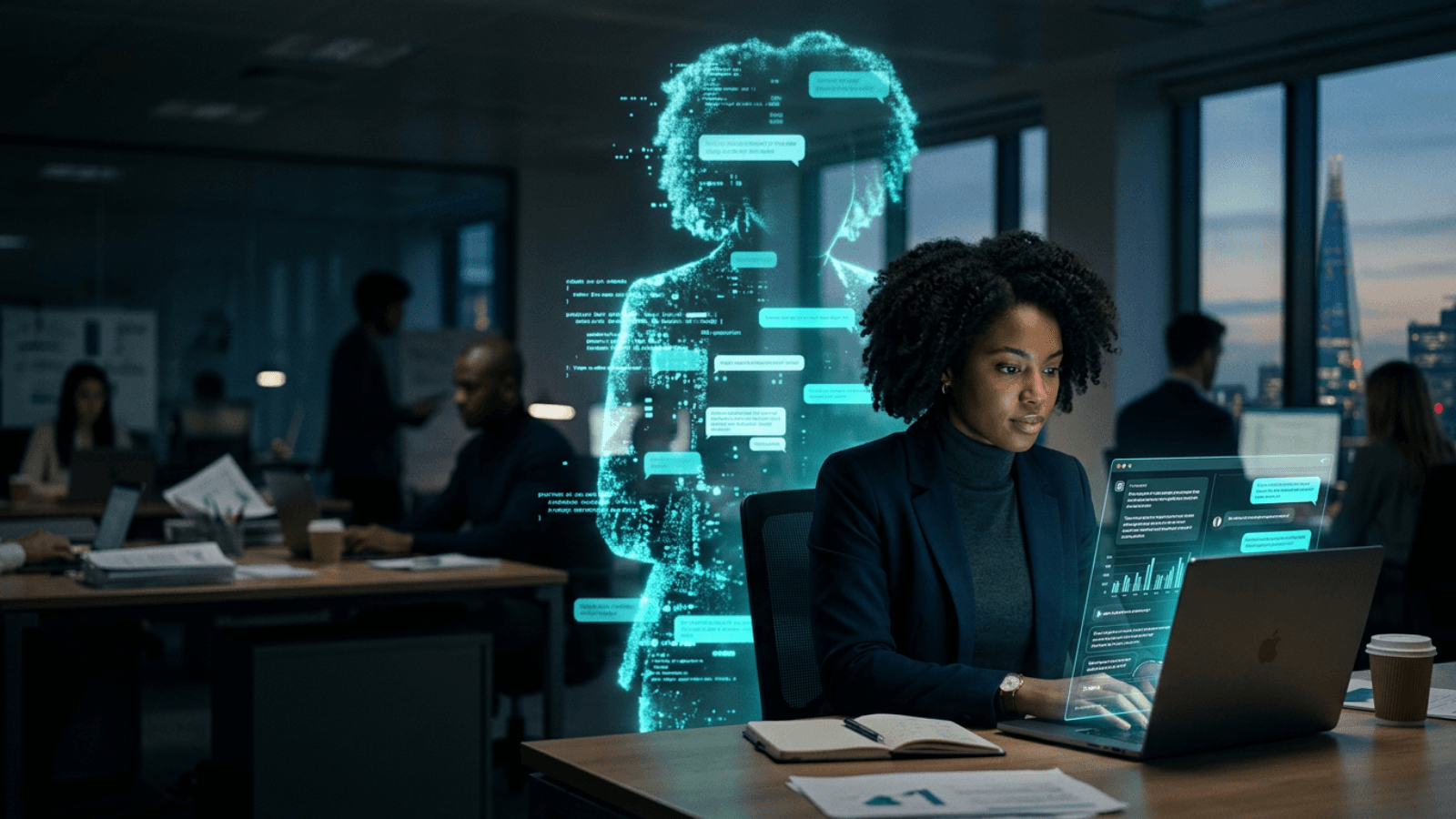
Manager leading a team while using AI tools in a modern digital workplace
Employee Engagement & RecognitionNews

Published: May 11, 2026

Sophie Wilson

AI’s effect on work has already sparked anxiety around junior hiring, automation, and the future of entry-level development. Now, the spotlight is shifting higher up the org chart. A growing number of tech companies are signaling that so-called pure managers may be the next role under pressure, as AI adoption pushes businesses toward flatter structures, smaller teams, and leadership models that demand direct output as well as oversight.

Why AI Is Changing Management Roles Now

For enterprise leaders, this is an early signal that AI transformation is not just about replacing repetitive tasks. It is changing how management itself is defined. If the last wave of anxiety centered on whether AI would hollow out entry-level roles, this one asks a more uncomfortable question: what happens when the middle layer is asked to manage people, strategy, delivery, and AI agents all at once?

The immediate trigger is Coinbase. In a May 2026 staff letter, CEO Brian Armstrong said the company would cut about 14 percent of its workforce and move away from β€œpure managers,” insisting that everyone should be β€œa strong and active individual contributor.” He also described smaller teams, in some cases just one person supported by AI agents. Business Insider linked that move to a wider pattern already echoed by leaders at Block, Snap, Meta, and Atlassian, all of whom have talked up flatter, faster, more AI-enabled structures.

Related Articles

Microsoft Warns on AI Jobs Impact as SAP Backs Early-Talent Shift

Which Employee Experience Platforms Are Leading the Market in 2026?

Is Agentic AI Ready for the Enterprise? Why Human-in-the-Loop AI Is the Missing Piece

What Coinbase’s β€œNo Pure Managers” Move Signals

This is where megamanagers enter the frame. The term describes leaders left managing bigger teams and broader spans of control after layers are removed. According to reporting cited by Business Insider, the average number of direct reports per manager rose from 10.9 in 2024 to 12.1 in 2025, while employers advertised 12.3 percent fewer middle-manager jobs in 2025 than in 2024. That is not a subtle tweak.

For employee engagement leaders, there is a catch hiding inside the efficiency story. Gallup said in April 2026 that global employee engagement declined for a second straight year and that manager engagement also dropped.

Josh Bersin’s research argues that traditional management is no longer enough in an AI-shaped workplace, but it also makes clear that the replacement manager must be more human-centered, not less: someone who can use AI, build trust, and orchestrate human-machine collaboration. In other words, the future manager is not a spreadsheet with a pulse.

Business Insider’s reporting adds weight from analysts. Richard Lachman said tech leaders are among the first to reshape org charts because they adopted AI early and are confident it can lift productivity.

Josh Bersin went further, arguing that β€œevery employee now has an agent,” which means managers can no longer rely on positional authority alone when the technology may know more than they do about the task at hand. That changes the value equation of management fast.

How AI Could Affect Employee Engagement

For busy enterprise technology professionals, the takeaway is straightforward. AI’s impact is broadening from task automation to workforce redesign. The risk is not simply that companies cut middle managers. It is that they flatten too aggressively, overload the managers who remain, and then wonder why engagement, coaching quality, and execution all start wobbling. The opportunity, by contrast, is to redefine management around hands-on leadership, AI fluency, and better judgment. Less empire building, more player-coach energy.

UC Today has already tracked how AI could disrupt entry-level roles. This next chapter suggests the real story is larger: AI is compressing the org chart from both ends. Early-career workers face fewer traditional on-ramps, while middle managers face a brutal upgrade cycle. The winners will be the organisations that redesign roles with some nuance, rather than treating AI like a magic wand and management like a disposable extra.

If you want to stay up to date with the latest AI, future of work, and employee engagement news, subscribe to the UC Today newsletter and join our growing community of enterprise technology professionals.

FAQs

What is a pure manager?
A pure manager is a leader whose role is focused mainly on supervising people, approving work, and coordinating teams, without regularly contributing as an individual contributor. In the AI era, that model is coming under pressure as businesses increasingly expect managers to combine leadership with hands-on delivery.

What is a megamanager?
A megamanager is a manager responsible for a larger number of direct reports, broader responsibilities, and in some cases oversight of AI agents as well as human workers. The term reflects how flatter organisations are stretching management roles as companies remove layers from the org chart.

How is AI changing management roles?
AI is changing management roles by automating routine tasks, giving employees direct access to insights and tools, and reducing the need for some traditional supervisory functions. As a result, managers are increasingly expected to act as player-coaches who lead teams, contribute directly, and help staff work effectively with AI.

Why are middle managers at risk from AI?
Middle managers are at risk because AI can absorb some of the coordination, reporting, and administrative work that once justified larger management layers. Companies are also flattening structures to reduce costs and move faster, which means managers who do not add direct operational or strategic value may be more vulnerable.

Will AI replace managers completely?
AI is unlikely to replace managers completely, but it is likely to redefine what makes a manager valuable. The strongest managers will be those who can coach people, make sound decisions, manage change, and oversee both human and AI-driven workflows.

Why are companies moving away from pure managers?
Companies are moving away from pure managers because they want leaner teams, faster decision-making, and leaders who can contribute directly to execution. In an AI-enabled workplace, businesses increasingly see management as a role that should blend oversight, delivery, and technology fluency.

What skills do managers need in the age of AI?
Managers in the age of AI need a mix of leadership and operational skills, including AI literacy, decision-making, communication, coaching, adaptability, and the ability to manage larger teams. They also need enough hands-on knowledge to understand the work their teams and AI tools are actually doing.

What does this mean for employee engagement?
This shift could have a major impact on employee engagement. If companies overload managers with bigger teams and more responsibilities, coaching quality, wellbeing, and trust could suffer. But if organisations redesign management roles carefully, AI could free managers to spend more time on higher-value leadership and support.

Agentic AIAgentic AI in the Workplace​AI AgentsEmployee ExperienceFuture of Work
Featured

Share This Post