The smart glasses market is heating up, but not all wearables are created equal. In a recent interview with UC Today, Matt Maher, CEO of M7 Innovations, broke down what separates the contenders from the pretenders – and why 2026 could be the tipping point for mainstream adoption.
Meta And Snap Are Playing Different Games
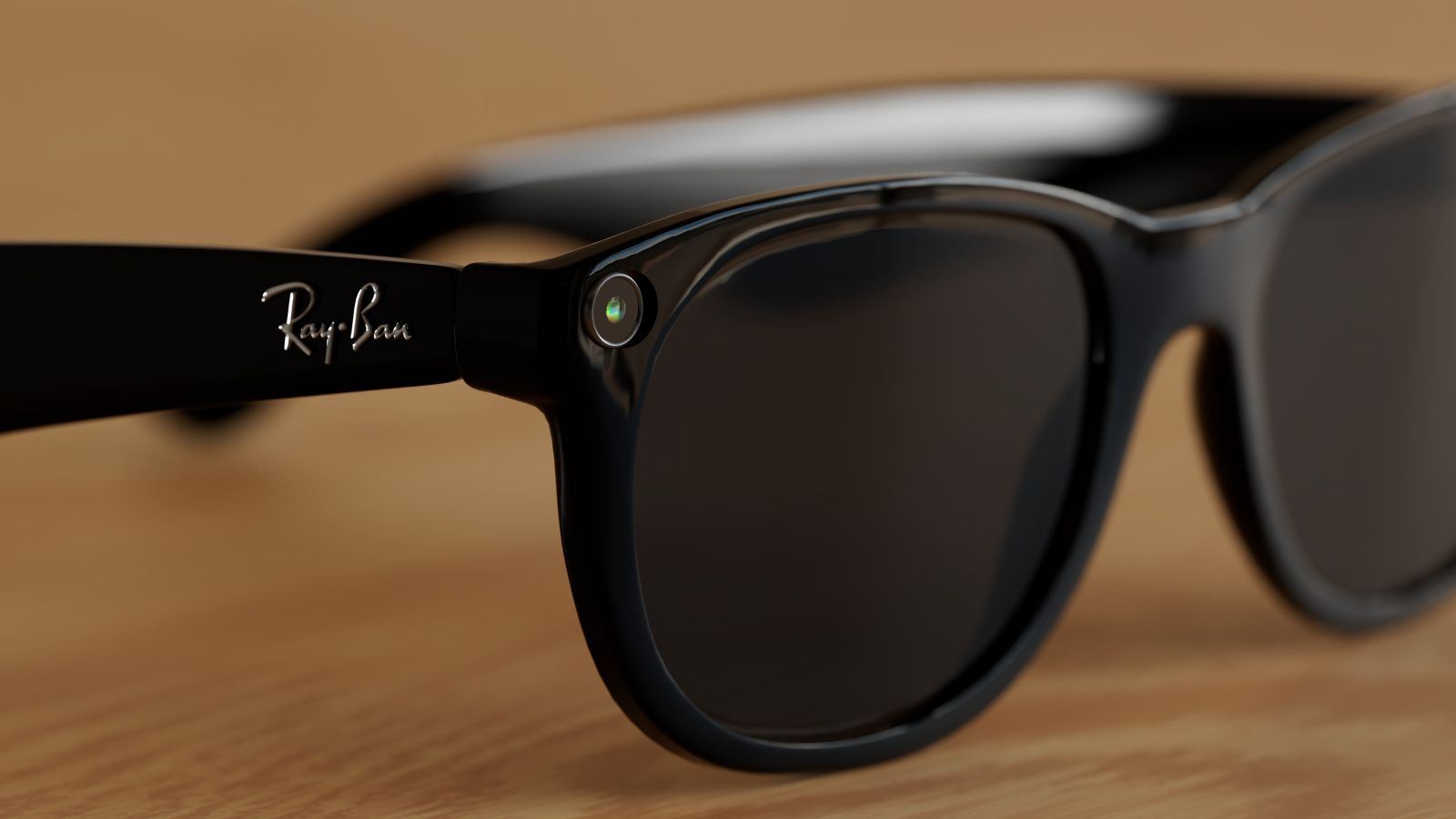
Meta, with over eight million Ray-Ban smart glasses sold, is focused on delivering an accessible, fashionable product at an approachable price point. Snap, on the other hand, has bet heavily on augmented reality with its fifth-generation Spectacles – a technically impressive but polarising device that costs upwards of $2,000.
To evaluate any smart glasses product, Maher uses his “Three F’s” framework: Fashion, Function, and Feasibility. Fashion comes first – wearables live on your face, making them deeply identity-driven. Function covers the practical use cases a device delivers, from AI assistants to real-time transcription. Feasibility refers to cost – if a product isn’t accessible to the mass market, adoption will stall.
By that measure, Meta’s glasses tick two of the three boxes convincingly. Snap’s Spectacles, while technically groundbreaking, fall short on both fashion and cost feasibility – though Maher acknowledges the difficulty of benchmarking a product in an entirely new category.
Privacy And Regulation Remain Key Hurdles
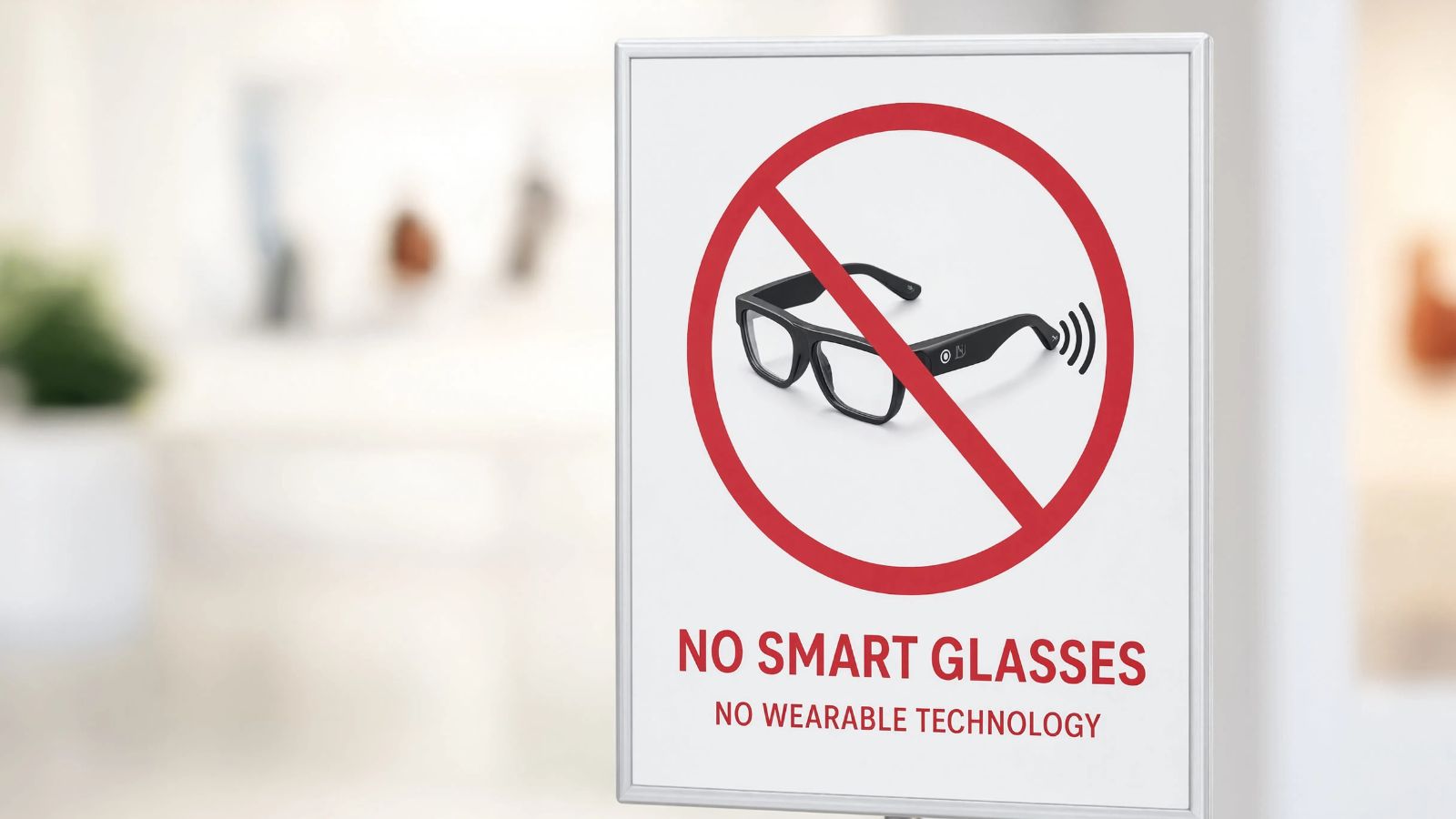
Privacy remains a significant hurdle for Meta. From the Harvard students who demonstrated how Ray-Bans could be used to track individuals, to the controversy around facial recognition features, Meta’s data practices continue to dog consumer confidence. Maher believes Europe’s regulatory approach is the most rigorous globally, but argues that without proportional fines tied to user numbers, it remains a light deterrent for a company of Meta’s scale.
Looking ahead, Maher sees smart glasses proliferating rapidly over the next 12 months, with true augmented reality still a few years away. The Overton window, he argues, has shifted – and big tech knows it.