
It’s Friday, which can mean only one thing around these parts: it’s time for our roundup of this week’s must-read stories from the industry.
This week saw Zoom snap up German real-time translations firm Kite, Comms MSP Timico undergo a refresh into Digital Space and Intrado’s Paul Scott talk to UC Today about the complexities of Microsoft licencing.
Zoom Acquires Kite
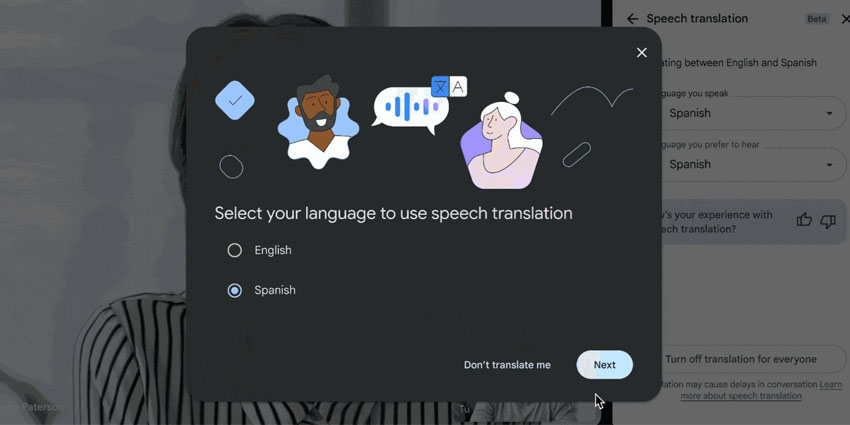
The video conferencing specialist snapped up German real-time translation firm Kite. Zoom has stated it will invest in expanding the team of 12 who will remain in Germany, where the vendor is also mulling over setting up an R&D facility.
Velchamy Sankarlingam, President of Product and Engineering at Zoom, said: “We are continuously looking for new ways to deliver happiness to our users and improve meeting productivity, and MT solutions will be key in enhancing our platform for Zoom customers across the globe.
“With our aligned missions to make collaboration frictionless – regardless of language, geographic location, or other barriers – we are confident Kites’ impressive team will fit right in with Zoom”
Slack Unveils Audio and Video Features
Slack has introduced new audio and video features for its messaging platform.
Slack Huddles – which CEO Stuart Butterfield expounded upon at this year’s Frontiers EMEA Summit – lets users start instant voice meetings with other users in a channel, with the intention of substituting chance encounters in an office hallway or kitchen. Huddles can be started by clicking an icon in the bottom left corner of the Slack window, with users given the choice of whether to join or not.
Slack has also revealed new video features designed to increase the use of asynchronous communication methods. Users will soon be able to record and share video, audio messages via Slack. These messages can be viewed by the members of the channel at any time, with messages automatically transcribed and archived.
During the launch event for the new features, Butterfield stated: “I think one of the realisations we’ve had is that we’re moving, or we actually have already moved, from a world where digital technologies kind of supplement the in-person means that we have to communicate and collaborate, to the in-person, supplementing the digital, and that means digital-first.
“So, instead of asking how many times a week people will be in the office, we’ll ask to what degree an organisation has put digital tools and technology at the forefront and to what extent it has started thinking about that software which supports productivity and collaboration being as important as their physical offices”
Timico Reborn as Digital Space
Comms MSP Timico has rebranded under the new moniker of Digital Space.
The private equity-backed firm said that the change has come about from its investment in new and advancing technologies and its expanded team.
The MSP also vowed that it would become the UK’s leading cloud provider for enterprise and public sector organisations in the next few years.
CEO Neil Muller said of the rebrand:
“To help our customers maintain competitive advantage whilst adhering to new, agile ways of working, we have acquired new capabilities, restructured our technology, and developed our own Connected, Productive and Secure spaces, which integrate via our Digital Space Cloud Management Platform to help organisations accelerate growth.”
Making Sense of Microsoft Licencing
Intrado’s Senior Director of Strategic Business Development, Paul Scott, spoke with UC Today’s Tom Wright about the challenges businesses can encounter when trying to understand the complexities of Microsoft licencing, especially as the tech giant is undergoing its own transformation.
“The explosion of cloud technologies means huge catalogues of subscription-based products are coming to market. Just as an example, the Microsoft Cloud Services catalogue held just a couple of dozen product codes when Office 365 first launched, today has more than 1,000 different products,” he stated.
“It’s not always easy to directly measure the cost of unrealised value and inefficiency in cloud licensing, but at Intrado we see strong evidence that it’s at least a minor issue for every single cloud customer. When we analyse Microsoft licensing in real-world situations, we’re able to consistently return recommendations that save customers money”
Nasstar Scoops up KCOM’s ICT Unit
Nasstar – formerly GCI – acquired KCOM’s national ICT business for an unknown sum.
KCOM said the deal will enable it to focus on its full fibre broadband strategy and growing its network, while Nasstar CEO Wayne Churchill said it will form a “vital” part of the company’s growth strategy:
“It will be integrated into the business, adopting new, efficient, and scalable systems, and enabling customers to access an enhanced product set,” he stated.
“We recognise the value and opportunities the combination of KCOM’s people, capabilities and customers from the national ICT services business of KCOM represent, and we are confident our strategy will turn this potential into long-term growth and success”
Share your thoughts on this week’s news via our social media channels!