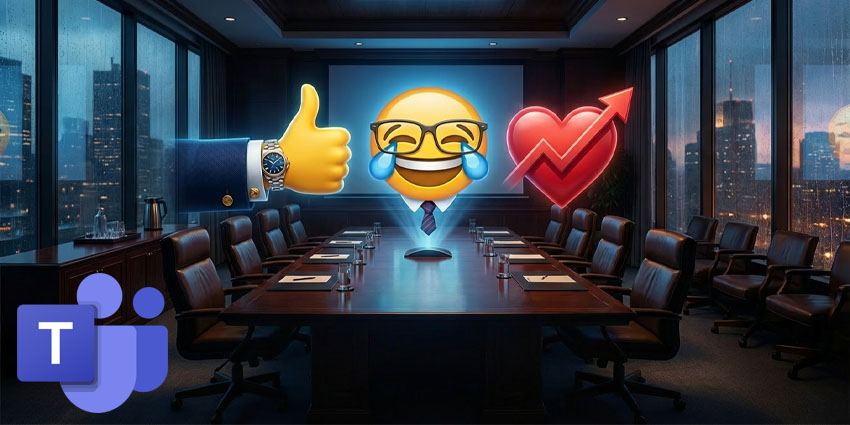

The digital meeting room is often a chaotic environment, overflowing with a cacophony of chat notifications, raised hands, and an endless stream of generic emojis. However, Microsoft is preparing to bring a new level of curated order to the Teams noise. According to the latest update on the Microsoft 365 Roadmap, the tech giant is developing a feature called “Branded Meeting Reactions,” which will allow organizations to extend their visual identity into the meeting experience itself.
Currently listed as “in development” with a projected rollout beginning in March 2026, this update represents a significant shift in how the platform handles user expression.
The roadmap entry states that IT admins will be able to upload custom reaction icons that reflect brand elements, specific event themes, or internal initiatives. Once uploaded, these assets become instantly available to meeting participants, sitting alongside, or perhaps eventually replacing, the standard yellow thumbs-up and applause icons that have become the lingua franca of collaborative remote work.
Microsoft frames this development as a method to create more cohesive, on-brand meeting experiences. In their official documentation, they note that organizations can now extend their visual identity directly into meetings, offering a simple way to unify the aesthetic of the digital workplace.
This move follows a broader trend of increasing personalization within the platform, such as the recent addition of skin tone selections for Microsoft Teams reactions and a unified “fun picker” for GIFs and stickers. However, unlike user-centric features, branded reactions place creative control firmly in the enterprise’s hands.
- France Says Au Revoir to Microsoft Teams, Zoom for Sovereign Video Platform
- What Did Microsoft’s Teams Unbundling Really Achieve for the UCaaS Market?
Strategic Leverage: Turning Pixels into Policy
For C-Suite, IT, and HR leaders, this update could be seen as a new lever for digital culture governance rather than a mere cosmetic enhancement. The ability to customize Microsoft Teams reactions transforms the meeting interface from a neutral utility into a managed asset, offering a unique opportunity to align micro-interactions with macro-strategic goals.
HR directors and Chief People Officers should view this as a mechanism to reinforce company values without the friction of mandatory training. In large, distributed organizations, culture is often performed in Town Halls and all-hands meetings. By curating a specific set of reactions, such as a specific icon for innovation or a branded symbol for customer success, leadership can subtly guide the emotional tone of these gatherings. It allows for a shared visual language that reinforces the specific behaviors the organization wishes to celebrate, turning a passive click into an affirmation of company culture.
For the CIO and IT governance teams, this feature demands a proactive policy rather than a reactive cleanup. The challenge will be preventing the “reaction tray” from becoming a cluttered graveyard of expired marketing campaigns or confusing icons. Successful implementation will require a tight collaboration between Marketing, which owns the brand assets, and IT, which controls the tenant. Leaders must establish clear lifecycles for these assets, ensuring that event-specific icons are retired promptly to maintain a clean, professional user experience.
Ultimately, this feature forces a conversation about the intent of digital collaboration. Used wisely, branded Microsoft Teams reactions can foster a sense of belonging and a sense of tribe in a hybrid world. In theory, they can help turn a disparate workforce into a unified entity, waving the same flag in the digital space. However, if deployed without a strategy, they risk becoming another layer of corporate noise. The savvy leader will use the time before the March rollout to define not just what these icons look like, but what they signpost about the organization’s identity.