






Everything You Need to Know About Apple Glass: Apple’s Ambitious Response to Meta Ray-Ban

Apple Glass is still a rumour, but the direction is getting clearer. Display-free smart glasses, heavy on AI, and positioned as a mainstream wearable, not a niche XR device. So what should workplace tech leaders actually pay attention to?

4
apple glass apple ar smart glasses uc today 2026 ai apple vs meta
Immersive Workplace & XR TechNews

Published: May 19, 2026

Alex Cole - Reporter

Alex Cole

Content Marketing Executive

Apple does not need to ship Apple Glass tomorrow for this story to matter today. If Apple makes smart glasses feel socially normal, IT and HR teams will inherit the governance problem long before they finish debating the use case. That is the enterprise signal behind the latest Apple Glass reporting: display-free, AI-led smart glasses that could enter work environments as everyday wear, not specialist XR gear.

Until Apple confirms anything, treat Apple Glass as a market indicator rather than a procurement roadmap. But it is a useful indicator, because it points to a world where ‘computer vision wearables’ become common workplace endpoints.

Sam Kohl, Founder of AppleTrack, frames the timing like this:

“Later this year, we’re about to have one of those moments with Apple Glass.”

Related Articles

Apple Glass May Not Be Full AR, But IT Leaders Should Still Pay Attention

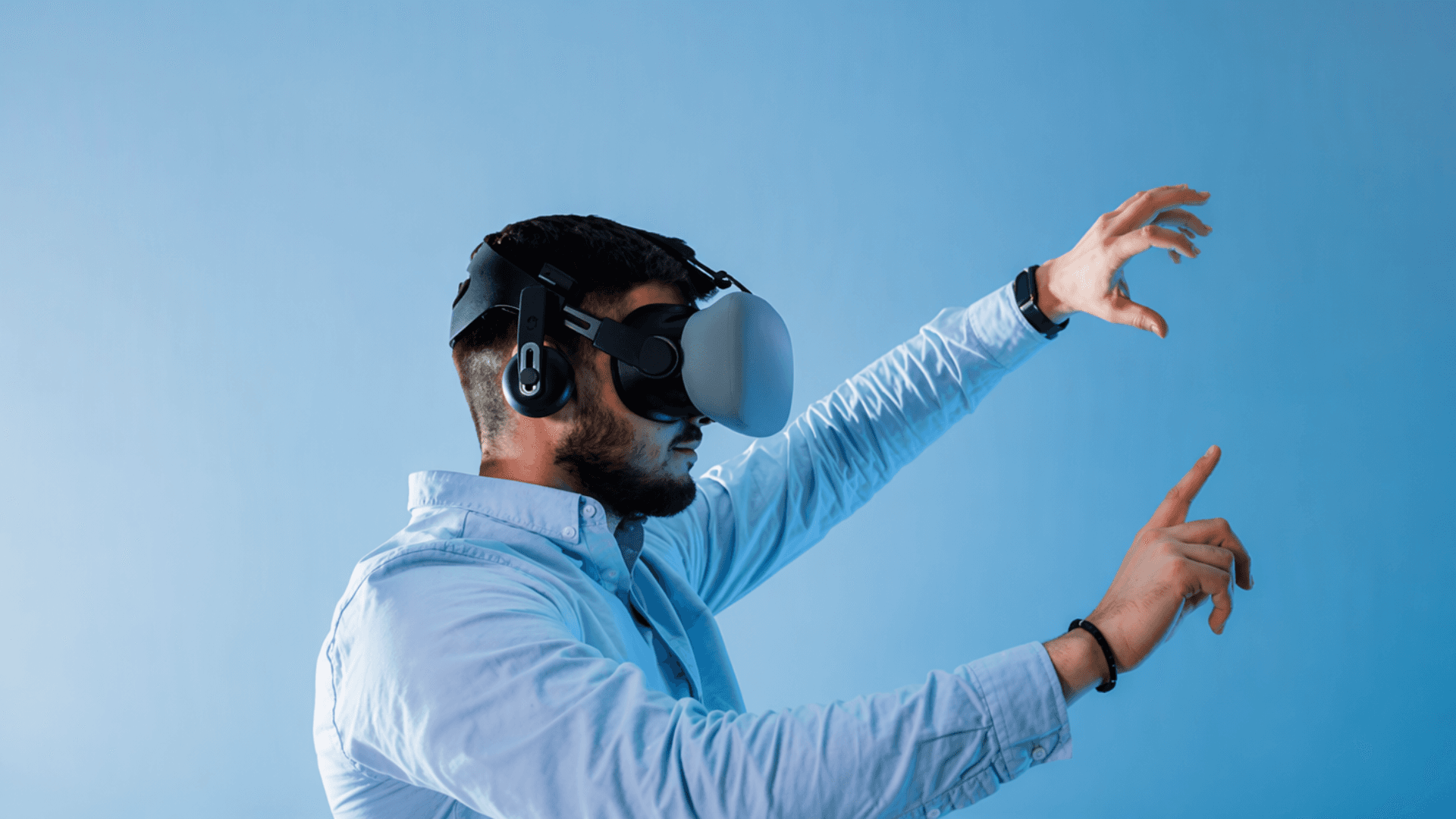
The first expectation to set is that the initial product being discussed is likely not ‘full AR’ with a built-in display. Multiple reports suggest a more practical first step: smart glasses built around cameras, microphones, speakers, and hands-free AI, designed to look like ordinary eyewear.

Malcolm Owen, Product Comparison Expert at AppleInsider, summarises one key limitation that keeps the speculation grounded:

“An AR screen won’t make it into Apple Glass until the second generation.”

That matters for enterprises because display-free glasses are more likely to pass the ‘would a normal person wear this?’ test. And if the device looks normal, adoption arrives faster, including inside workplaces.

A Concrete Scenario Shows the Opportunity and the Risk

Here is the simplest way to understand why Apple Glass could matter for workplace productivity and automation.

In a warehouse, a supervisor could look at a damaged pallet, capture a quick photo, and trigger an incident workflow. The system could then guide the next step hands-free: route the case, confirm SKU details, suggest safe handling steps, and notify the right team. That is a productivity story.

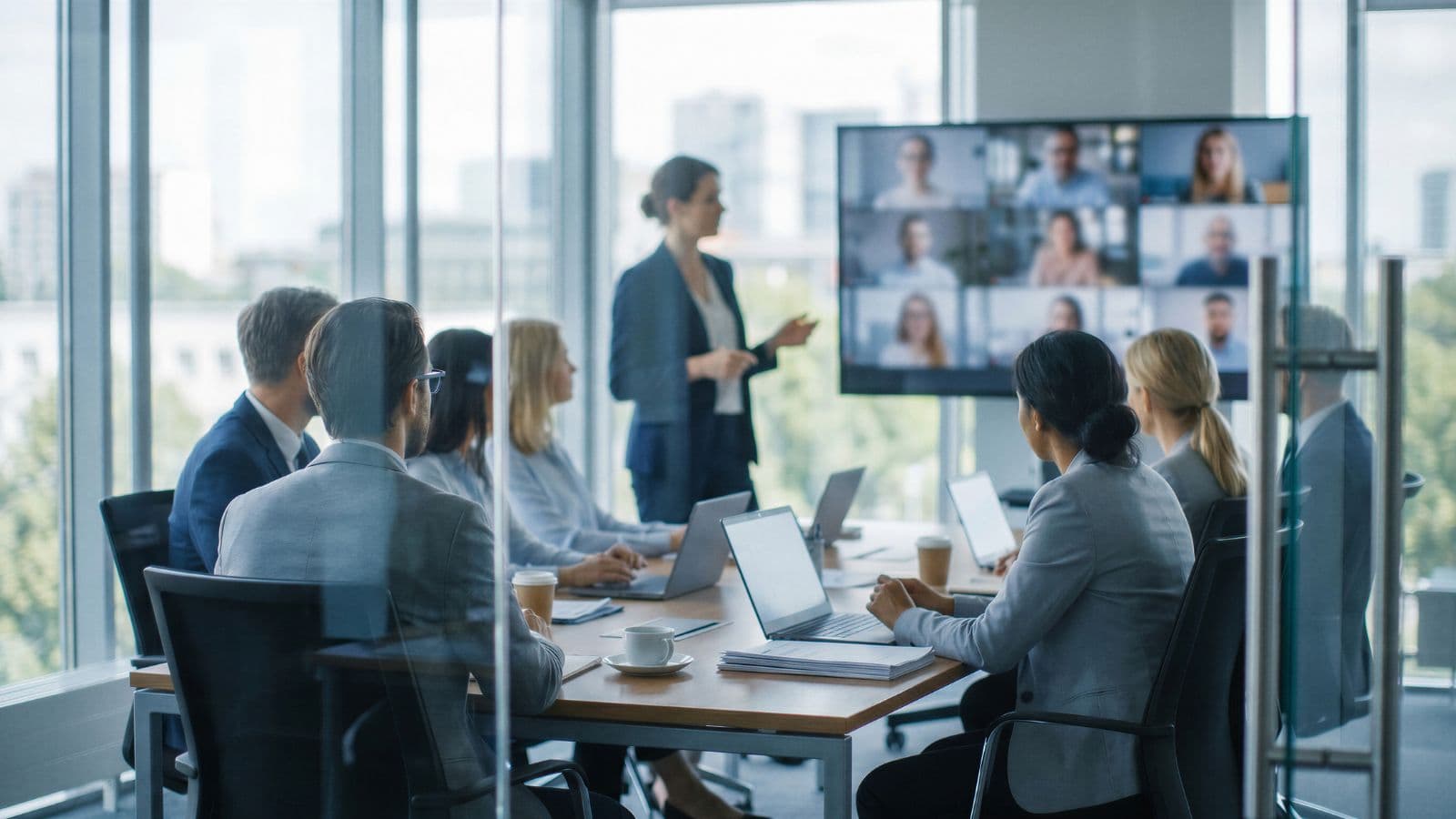
In a boardroom, the same always-available camera becomes a trust and compliance story. If people suspect meetings can be recorded without clear visibility, policy enforcement becomes messy, HR risk increases, and collaboration behaviour changes. The same device creates both the value and the governance burden.

Design, Cameras, and ‘Computer Vision’ Are the Core Bet

The second enterprise signal is that Apple Glass is being framed less as a display product and more as a ‘computer vision wearable’. Apple is testing multiple styles and materials, with distinctive cameras and an aim to create a recognisable ‘icon’. It also argues Apple Glass sits inside a broader AI wearables strategy, alongside camera-equipped AirPods and other concepts.

“The glasses are part of a ‘larger three-pronged AI wearable strategy’ to ‘take advantage of the power of artificial intelligence and computer vision.’”

For enterprise buyers, ‘computer vision wearables’ translates into an uncomfortable but practical reality. These devices make capture frictionless. That can unlock productivity. It also raises the cost of governance, policy, and trust.

What This Means for Workplace Productivity, Policy, and Automation

If Apple enters smart glasses, it accelerates three workplace conversations, even if the device remains consumer-led at launch.

  • Shadow adoption becomes inevitable. Employees will bring smart glasses to work, whether IT is ready or not.
  • Workflows gain a hands-free trigger. If Siri becomes the primary interface, ‘voice plus vision’ becomes a workflow starter, not just a convenience feature.
  • Privacy becomes operational. If glasses are cameras, ‘sensitive spaces’ need definitions, enforcement, and consequences.

This is where the story stops being ‘Apple versus Meta’ and becomes a digital workplace readiness question. A hands-free assistant that can take action inside apps is not just an assistant. It is a workflow trigger. If that becomes real, the productivity impact will depend on identity, permissions, audit trails, and device management. That is the difference between ‘cool gadget’ and ‘deployable tool’.

Expected Timeline, Plus the Rumour Caveat

On timing, the product is expected to be released between 2026 to 2027 according to reports. As always with this category, treat timelines as directional, not definitive.

“A 2026 to 2027 timeframe is expected for its launch.”

The deeper caveat is not timing. It is trust. This category lives or dies on social acceptance, workplace norms, and whether organisations can govern capture and AI assistance without creating backlash. If Apple makes smart glasses feel normal and genuinely useful, workplace technology leaders will have to decide whether smart glasses are allowed, managed, piloted, or banned.

FAQs

What is Apple Glass?

Apple Glass is the rumoured name for Apple’s future smart glasses. Reports suggest an early version may be display-free and focused on cameras, audio, and AI features.

Will Apple Glass be augmented reality glasses?

Not initially. An AR screen is unlikely to make it into Apple Glass until the second generation.

When could Apple Glass launch?

Between 2026 and 2027. Sources speculate about late 2026 previews and 2027 availability, but this should be treated as a market signal until Apple confirms it.

Why does Apple Glass matter for workplace technology leaders?

If smart glasses become mainstream, they will show up in workplaces. That raises policy, privacy, and security requirements, while also creating opportunities for hands-free support, faster capture, and AI-assisted workflows.

What should IT and HR do now?

Define ‘sensitive spaces’, set rules for recording, align on acceptable use, and prepare for shadow adoption. If you plan pilots, measure productivity outcomes and build governance in from the start.

Augmented RealityExtended RealityMixed RealitySpatial Computing & XR​
Featured

Share This Post