The most consequential AI wearable of 2026 might not be a pair of glasses – it could be something you are already wearing.
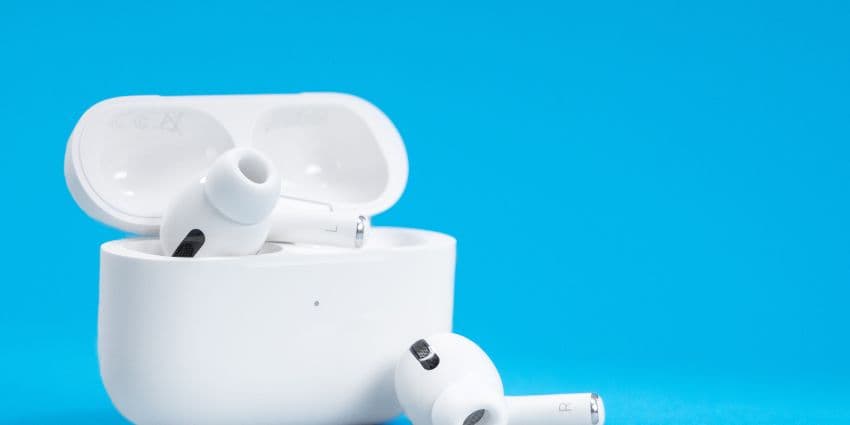
Apple is rumoured to be developing a new version of its AirPods Pro fitted with built-in cameras, and according to Bloomberg, the project is further along than many expected.
The devices have reached an advanced internal testing stage, with Apple testers reportedly "actively using" prototypes.
The cameras are not designed to save photos or video. Instead, the visual data they capture is fed directly into Siri in real time — so a wearer could potentially ask Siri to identify a product on a shelf in front of them, or get directions without glancing at a phone.
A small LED light would indicate when visual data is being processed, and the devices are said to look similar to the AirPods Pro 3 but with slightly longer stems to accommodate the camera hardware.
A launch was reportedly targeted for the first half of 2026 but was pushed back following delays to Apple's upgraded Siri.
The improved AI assistant is reportedly on track for September, which suggests the camera AirPods could follow a similar timeline – though nothing has been confirmed by Apple.
The Wearable That Doesn't Look Like One
Smart glasses have been the dominant narrative in AI wearables for the past two years.
Meta's Ray-Ban lineup has picked up genuine momentum, with smartglasses sales reportedly tripling in 2025, and enterprise trials are now underway in sectors including logistics, field services, and healthcare.
But mainstream workplace adoption has a ceiling that is partly cultural and partly practical. Many workers will not wear a visible camera on their face in a meeting room, a client presentation, or a clinical setting.
AirPods have no such problem – Apple sells millions of them.
They are already a fixture in offices, hospitals, warehouses, and retail floors.
A camera embedded in a device that workers already wear throughout their day is a fundamentally different proposition to something they have to consciously choose to put on.
The behavioural barrier is almost nonexistent.
What It Could Actually Mean at Work
The consumer framing Apple has reportedly used for these devices, cooking suggestions and turn-by-turn navigation, undersells the potential in a professional context.