
Apple is preparing a major Siri overhaul in iOS 27 that has direct implications for enterprise mobility, collaboration workflows, and device governance. Apple plans a redesigned Siri experience that lives inside the Dynamic Island, introduces a new ‘Search or Ask’ interface, and adds deeper contextual capability that can draw on personal data and on-screen content.
For UC Today readers, the more important question is not whether Siri finally catches up to rival assistants. It is what happens when the world’s most widely deployed enterprise endpoint becomes an AI workflow surface. If Siri becomes an always-on agent that can understand context and take action across apps, the iPhone starts to behave like a front end to work, not just a device used to access it.
“Apple has redesigned Siri for modern iPhone hardware, making it live inside the Dynamic Island as an always-on agent that can help users get things done across the operating system and within apps.”
Related Articles
- Everything You Need to Know About Apple Glass: Apple’s Ambitious Response to Meta Ray-Ban
- Apple Bets Big on Agentic AI – But Enterprises Should Watch What It Can’t Yet Deliver
The UC Angle: Siri as a Layer Above Teams, Zoom, and Webex
The most disruptive future-state is not Siri ‘inside’ one app. It is Siri sitting above the collaboration stack. In that model, users stop opening a meeting app to complete common tasks. They ask Siri instead. ‘Summarise the last meeting.’ ‘Send the key action items to the team.’ ‘Schedule a follow-up and attach the latest doc.’ ‘Message the group that the customer pushed the deadline.’
If Siri can reliably interpret on-screen context and personal data, it becomes a universal launcher and coordinator for work actions. That would shift adoption patterns across UC. Collaboration apps remain systems of record, but the interaction layer becomes voice and search. For platform vendors, that is a major interface risk. For enterprises, it is a usability and governance question: who controls the agent that triggers actions across core work apps?
Choice of Models Creates Choice of Risk
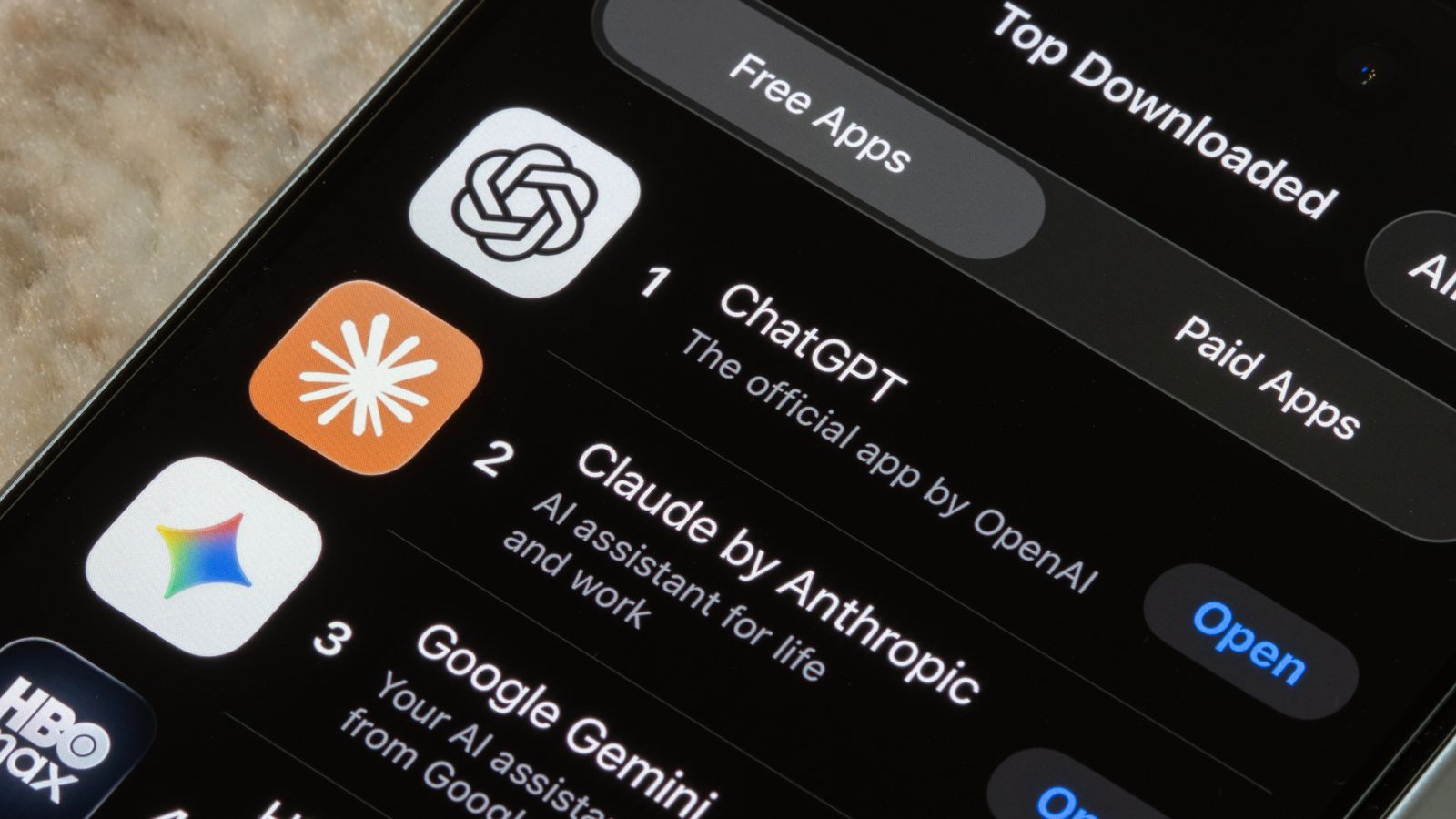
Apple has been testing ways to route queries to external AI services, and has tested integrations with OpenAI’s ChatGPT, Google’s Gemini, and Anthropic’s Claude. That matters because multi-model routing is not only a capability upgrade. It is a governance expansion.
Additionally, there is a rumoured internal feature dubbed ‘Extensions’, enabling generative AI capabilities from installed apps on demand through Apple Intelligence features such as Siri and Writing Tools. If that becomes real, enterprise mobile devices could become multi-model AI endpoints by default, not by exception.
“The new feature, dubbed ‘Extensions’ internally, will allow users to access generative AI capabilities from installed apps on demand, through Apple Intelligence features such as Siri, Writing Tools, Image Playground and more.”
For CIOs and mobility teams, that creates a familiar tension. More model choice can reduce lock-in. But it can also increase shadow AI behaviour and reduce consistency. If employees can switch assistants and route prompts to different services, organisations need clear guardrails around what data can be used, what is logged, what is retained, and what is blocked.
This Is Really an Enterprise Mobility Strategy Story
The deeper enterprise narrative is that Apple is turning managed mobile devices into AI workflow endpoints. That raises practical questions for MDM and endpoint policy owners:
- Device policy: can IT restrict which AI services Siri can route to?
- Data boundaries: what happens when Siri can access on-screen content, messages, email, and documents?
- Audit and retention: what records exist for AI-assisted actions initiated from the device layer?
- BYOD pressure: does device-level AI widen the gap between managed and unmanaged endpoints?
Enterprises already manage mobile access through identity, conditional access, and policy layers. The missing piece is agent governance. If Siri becomes a universal action interface, the agent itself becomes a governed asset, not a personal preference.
Why Camera and Shortcuts Matter for Frontline Workflows
Apple plans to integrate Siri into the Camera app as a dedicated mode, allowing visual intelligence to identify objects and analyse images via external AI services. That should interest organisations with frontline work, field service, and mobile-heavy operations, because it points to on-the-spot capture and interpretation: scan, understand, route, and act without jumping between apps.
Apple is also testing a revamped Shortcuts experience where people can create automations using natural language rather than building workflows step by step. That could lower the barrier to automation adoption, but it also increases the need for governance to prevent a ‘thousand automations’ problem across teams.
The UC Today Takeaway
Treat this as a signal that the mobile endpoint is becoming the next workflow interface layer. If Apple delivers, Siri becomes less of a feature and more of a control surface that sits above collaboration apps, search, and automation. That will influence how employees interact with enterprise communications platforms, and it will force mobility teams to evolve from ‘device management’ to ‘agent governance’.
Bottom line: iOS 27 may be remembered less for Siri’s UI and more for the moment the iPhone starts behaving like an AI front end for work. UC leaders should prepare for a future where collaboration apps remain essential, but the user interaction layer shifts upward into Siri and Apple Intelligence.
FAQs
What is Apple changing in Siri in iOS 27?
Apple plans a major Siri overhaul, including an always-on agent experience in the Dynamic Island, a new ‘Search or Ask’ interface, and deeper contextual capability.
Will Siri support multiple AI models?
Apple has tested integrations with ChatGPT, Google Gemini, and Anthropic Claude, and may allow routing to external AI services. There may also be an ‘Extensions’ feature to access generative AI from installed apps on demand.
Why should UC leaders care about Siri?
Because Siri could become a front end for collaboration apps, reducing app switching and turning voice/search into the primary interface for messaging, meeting follow-ups, scheduling, and workflow actions.
What are the enterprise mobility implications?
If managed iPhones become multi-model AI endpoints, organisations need policies for routing, data access, logging, and retention, plus controls to reduce shadow AI usage on unmanaged devices.
What should enterprise IT teams watch for at WWDC?
Controls for third-party AI routing, visibility into what Siri can access, management hooks for MDM and governance, and clarity on how Apple Intelligence features behave on managed devices.