Tal Bar-Or, Founder and CEO of AI hearing eyewear startup Altina, says big tech is building smart glasses the wrong way – and mainstream adoption will remain out of reach until the industry puts design first.
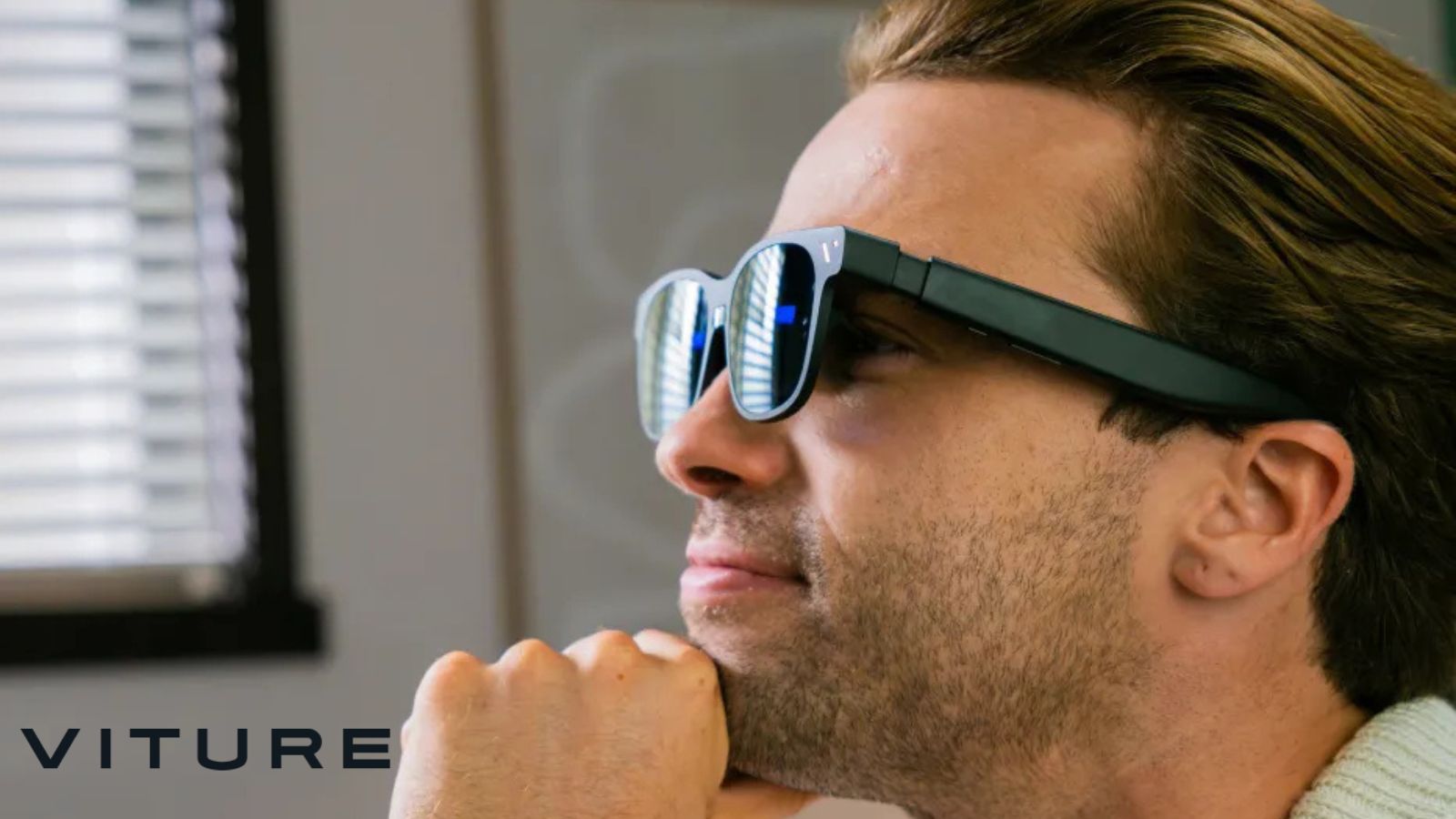
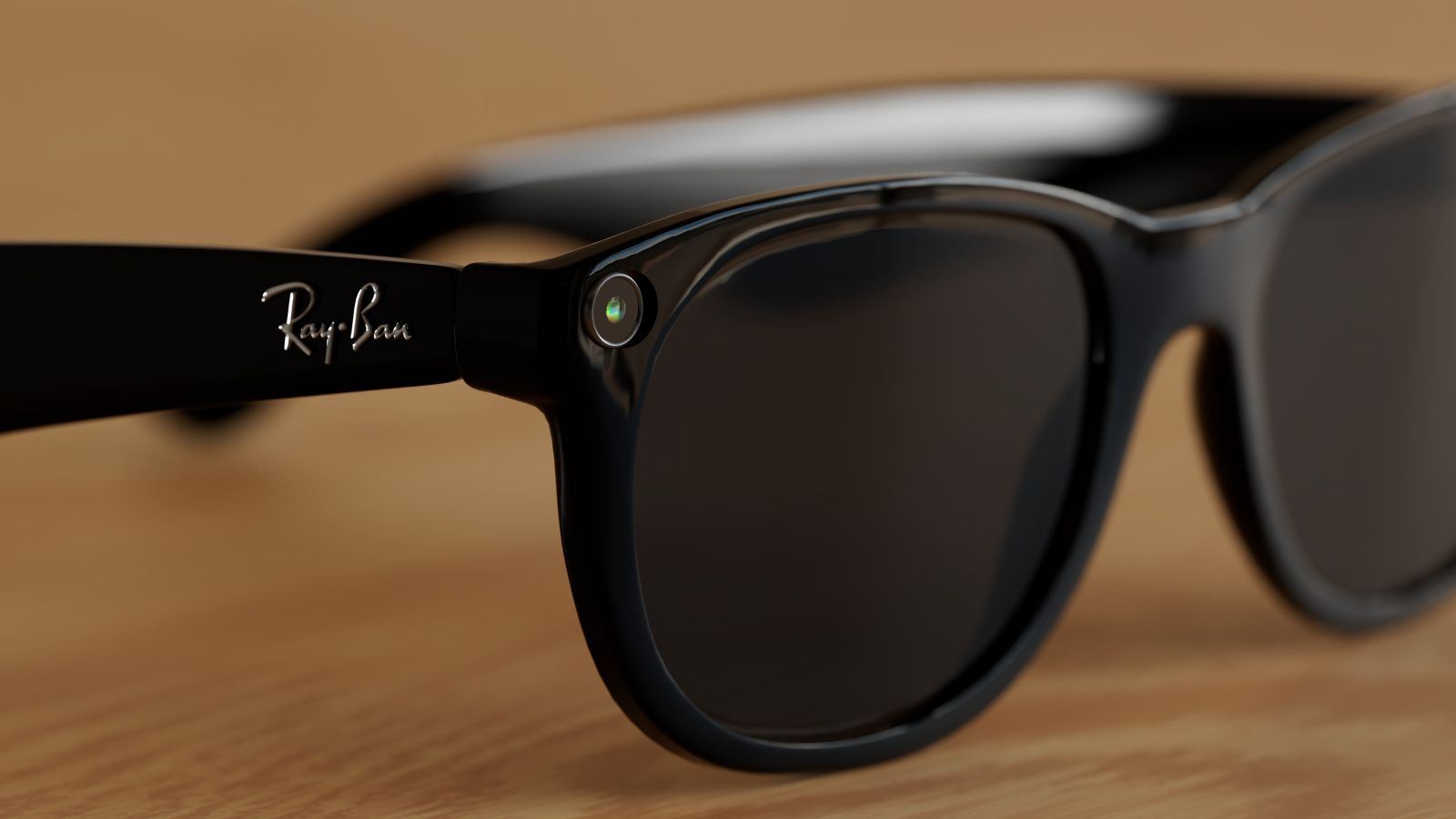
Smart glasses are having a moment. Meta’s Ray-Ban line shipped 6.5 million units in 2025. Google confirmed Android XR audio glasses for autumn 2026, partnering with Warby Parker and Gentle Monster. Amazon’s Echo Frames have been in the market for years.
Yet walk down any street and you rarely see someone wearing a pair.
Tal Bar-Or, Founder and CEO of Altina, knows why. He worked on Echo Frames at Amazon before founding his own startup. He has watched big tech pour resources into smart glasses — and miss the same fundamentals each time.
“They’re compromising on privacy, compromising on style and fashion,” Bar-Or told UC Today. “I think it’s only really a half step from what I’ve seen.”
Design Like Eyewear, Not Like a Gadget
Bar-Or’s argument is straightforward. Smart glasses need to compete with regular glasses on their own terms – aesthetically and practically – before any technology layer matters.
One overlooked challenge is physical fit. Traditional opticians offer thousands of frame styles to suit different face shapes. Most smart glasses brands offer a handful.
“A nose in Europe is different than a nose in East Asia,” Bar-Or said. “If you put glasses made for somebody in Europe on a face of somebody in East Asia, they’re just going to slide off.”
Altina has no electronics in the front frame — a deliberate choice that allows far greater variety in styles and sizing.
Hearing Enhancement as the Killer Use Case
Rather than chase the “replace the smartphone” narrative – a vision Bar-Or saw fail first-hand at Magic Leap – Altina is focused on hearing enhancement. Beamforming microphones help wearers focus on voices in noisy environments.
“There will be a reason for them to wear our glasses,” he said. Privacy concerns already dog camera-forward competitors, making a non-camera approach increasingly attractive.