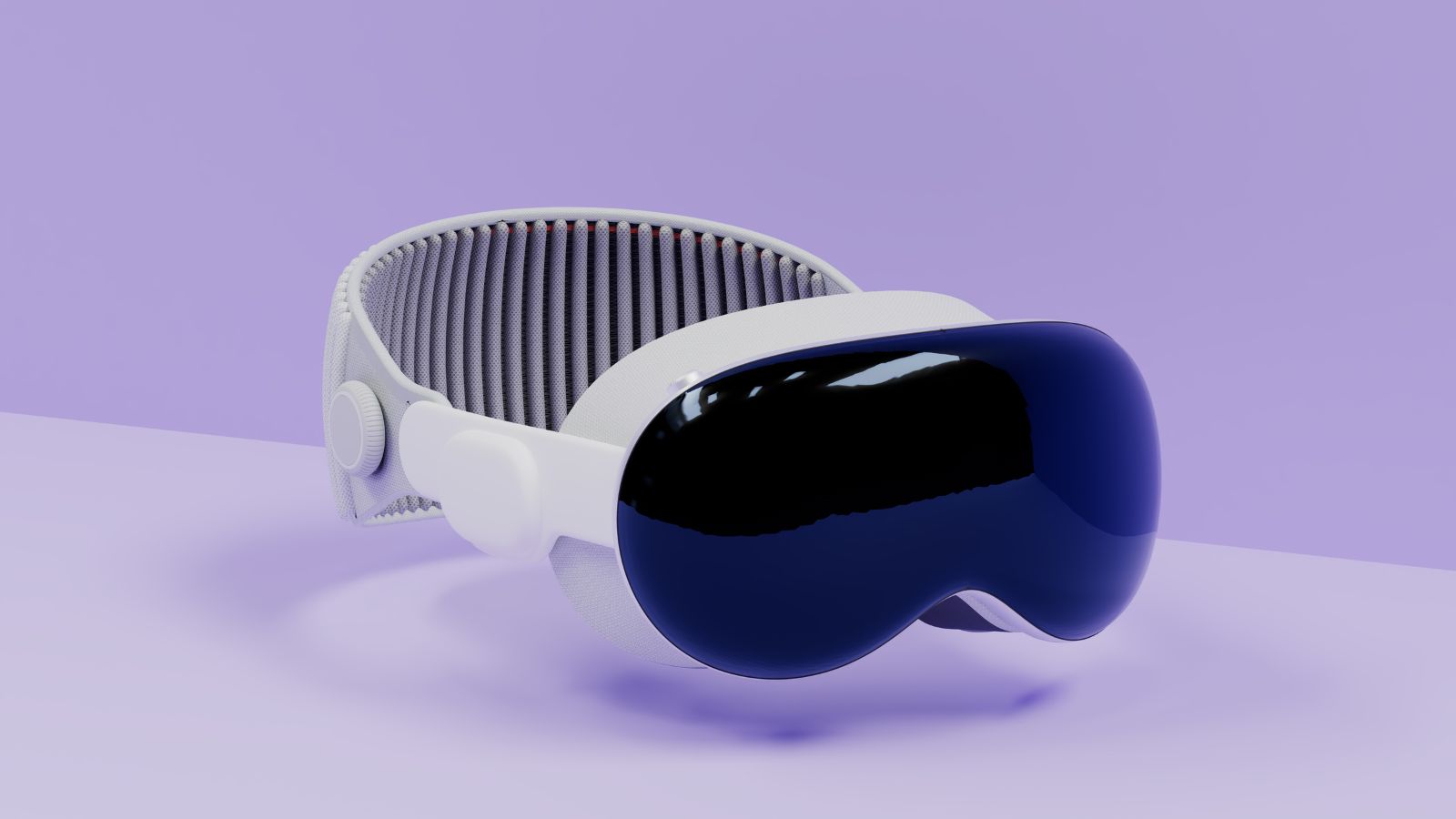

Surgeons at UC San Diego’s Shiley Eye Institute completed eye procedures 19 percent faster when using Apple Vision Pro to view endoscopic footage, according to a new study.
The peer-reviewed research compared 16 procedures performed with the headset against 16 using a conventional operating-room monitor.
Cases in which surgeons used Vision Pro averaged 34.4 minutes, compared with 42.7 minutes for the monitor group.
Horace Dediu, a study co-author who assessed cost and space implications, argued that the headset must be evaluated in an operating-room context rather than as a consumer product.
“The data above shows that within the context of the operating room, the Apple Vision Pro is notable for being very small and very cheap,” Dediu wrote in a separate post discussing the research.
“For a hospital the cost of the Vision Pro is not insignificant. The paper considered what it can do, and, for that, it’s a bargain.”
A Practical Operating Room Use Case
The study tested Apple Vision Pro as a primary surgical display.
During the procedures, surgeons relied on a live video feed from an endoscopic camera. Traditionally, that footage is shown on a monitor placed elsewhere in the operating room, requiring clinicians to look away from the patient.
Using Apple Vision Pro, surgeons could view the same feed directly in front of them while operating. The researchers said the set-up allowed clinicians to keep a more natural, forward-facing posture.
The research team assessed operating time, procedure success, complications, surgeon workload, ergonomics, cost and the physical footprint of the equipment.
The study involved two fellows carrying out the procedures, supported by three attending surgeons. All five said they preferred using Apple Vision Pro.
Rather than positioning the device as a replacement for surgical expertise or existing medical systems, the research points to a specific role for spatial computing: bringing the information clinicians already use closer to their field of view.
Lower Workload Reported by Surgeons
The researchers used NASA’s Task Load Index to measure the surgeons’ perceived workload.
They found a lower overall workload score among the Vision Pro group. The largest reduction was in physical demand, consistent with the idea that removing the need to repeatedly turn towards a fixed display may reduce physical strain in theatre.
The authors concluded that Vision Pro use was “associated with shorter operative times and lower surgeon-reported workload while occupying minimal space.”
The study was prospective but non-randomised, so factors such as case complexity, surgeon experience and familiarity with the device could have affected the results. It also did not show a difference in procedure success, with both groups recording successful outcomes in every case.
Still, the finding is relevant for hospitals looking at technology investments through a workflow lens. The device did not change the clinical procedure, but where surgeons saw the information required to perform it.
The Cost and Space Argument
The study also included an exploratory analysis of cost and space.
Researchers estimated that the Apple Vision Pro set-up represented around 0.5 to 0.7 percent of the capital cost of a standard endoscopic operating-room system.
Using estimated operating-room costs of $51 per minute, they calculated that the 8.3-minute difference could equate to approximately $420 in savings per procedure.
A high-cost headset may be comparatively inexpensive if it replaces, supplements or reduces the footprint of specialist display equipment.
A Preliminary Signal for Spatial Computing
In the consumer market, Vision Pro’s $3,699 starting price remains a major barrier to wider adoption. But the UC San Diego study suggests the calculation may be different for hospitals: if a headset can reduce operating-room time, physical strain and reliance on larger display systems, its price may be easier to justify as clinical equipment.
Hospitals and healthcare providers are exploring immersive technology for medical imaging, clinician education and procedure planning.
But the study’s limits are also notable. It included 32 procedures at one academic centre, examined one clinical workflow and did not randomise the display method.
The authors said the results “require confirmation in larger, controlled studies.” Future research will need to establish whether comparable results can be achieved with other surgical teams, hospitals and procedures.
The device has also been used in other healthcare settings, including Medivis’ SurgicalAR Vision, which Apple says brings medical imaging to Vision Pro to support surgical precision and patient care.
For now, the San Diego results offer a tangible example of how the Vision Pro could be used in healthcare: not as a futuristic add-on, but as a practical display that could make an established workflow faster and less physically demanding.