Think Google has the voice assistant game hacked? Think again.
Sure, Google's Duplex solution with its creepy human-like resonance made a few waves when it appeared back in 2018 - but now that's old news.
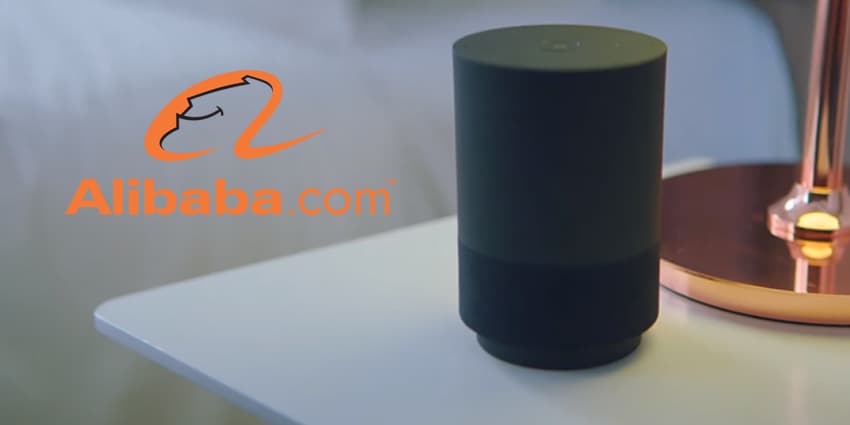
It's 2019, and there's a new giant on the scene - one that's been quietly clocking in overtime while Google's engineers sleep. We're talking about Alibaba's very own voice assistant, Tmall Genie.
When Duplex appeared in 2018, we were all impressed by its natural-language understanding capabilities and insights into the future of AI-human interaction. But Alibaba might have been the tortoise beating the hare, and we didn't even notice!
On December 2nd, Alibaba demoed their new AI customer service agent for logistics company Cainiao at the Neural Information Processing Systems conference, and already, the agent is handling millions of customer requests.
What Makes This AI So Special?
So, why is Alibaba's voice assistant so impressive compared to options like Google Duplex?
Well, for one thing, this AI gives customers a natural and conversational experience, without also giving them a case of the heebie-jeebies. As part of their December demonstration, Alibaba showed the assistant handling conversational elements in a conversation with ease. The agent paused when the customer interrupted it, repeated useful information, and responded easily to nonlinear conversation.
These are the areas where Alibaba's agent truly shines. First, the agent can respond to interruptions and relay useful information without having to start from scratch when something doesn't go "according to script." Secondly, when non-linear conversation occurs, the agent doesn't lose track of its purpose, it answers customer's questions, then goes right back to the initial script. Thirdly, Alibaba's assistant can respond to "implicit" intent. In other words, it can infer basic context in a conversation.
That's way more revolutionary than a bot like Google Duplex that leaves customers with visions of Terminator-style global takeovers.