
If 2026 feels like it is arriving at full speed, you are not imagining it. The research is shouting the same message from different rooftops: HR employee engagement trends 2026 will be shaped by one big reality. Work is changing faster than people systems can keep up. And employees are feeling it.
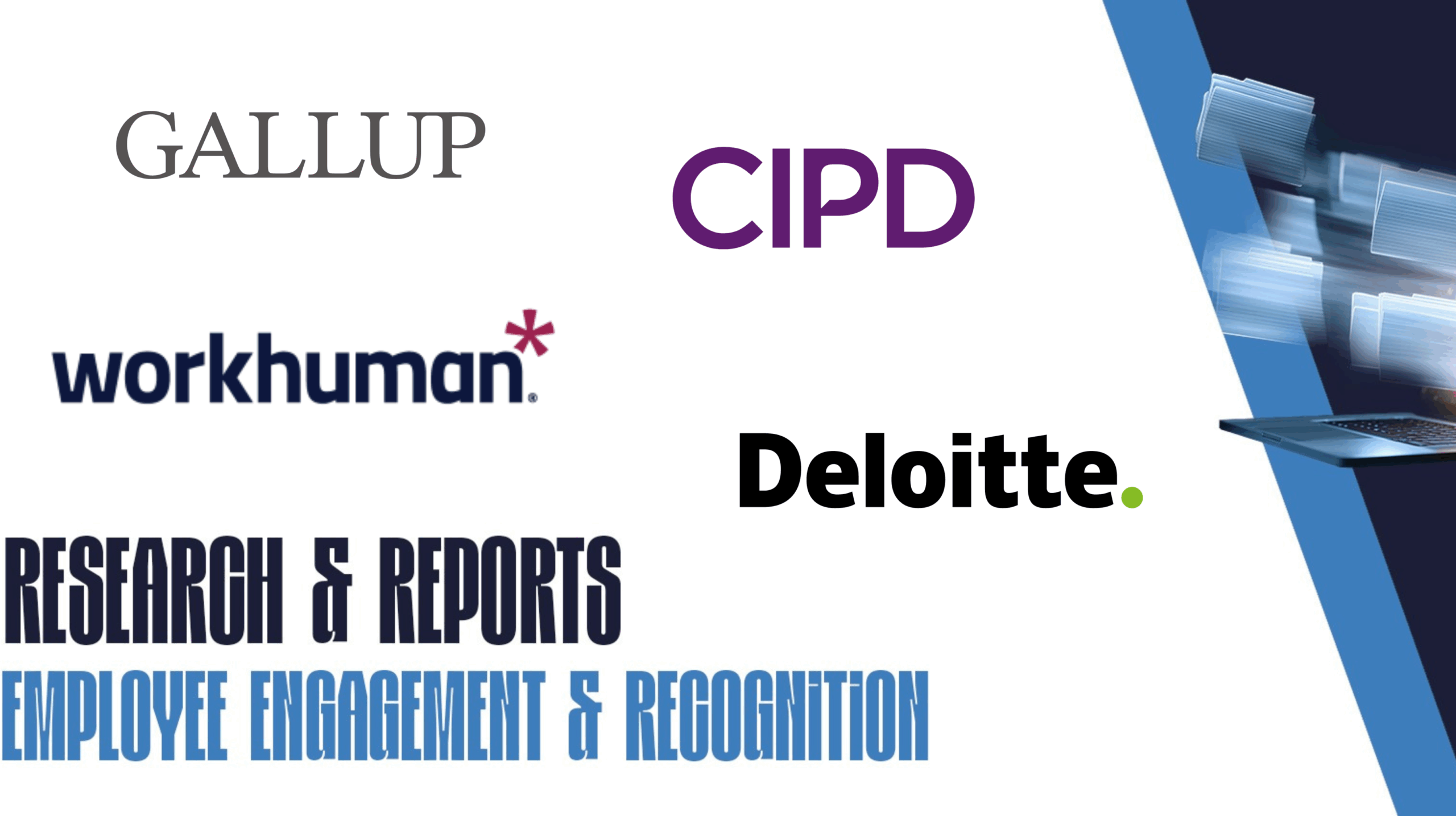
Gallup reports global engagement fell to 21% in 2024, with a sharp drop in manager engagement. That drop alone is linked to $438B in lost productivity. Meanwhile, Microsoft’s research finds 48% of employees and 52% of leaders say work feels chaotic and fragmented.
So what should HR leaders do with all this data? Let’s translate the most credible report findings into practical moves you can take into 2026.
What Are the Biggest Employee Engagement Insights for 2026 Across Industry Reports?
Different reports. Same themes. Here are the five patterns that keep repeating.
1) Managers are the Engagement “Make Or Break” Layer
Gallup’s 2025 global workplace research points to a clear driver behind declining engagement: managers. Manager engagement fell from 30% to 27% in 2024. When managers struggle, teams feel it fast.
What to Do in 2026
- Make manager enablement a core engagement program, not a training event.
- Reduce spans of control where possible.
- Give managers simple systems: weekly check-ins, clearer priorities, and coaching support.
2) Wellbeing is Becoming a Workload Design Problem, Not a Yoga Problem
The CIPD’s 2025 employee wellbeing research shows many employees still report feeling exhausted or under excessive pressure at work. This aligns with Microsoft’s “chaotic and fragmented work” signal.
What to Do in 2026
- Track workload, meetings, and interruption patterns, not just “wellbeing sentiment.”
- Build focus time into team norms.
- Align leaders on what is truly urgent versus noisy.
3) Recognition is Moving From “Nice To Have” to Retention Math
Recognition is no longer fluff. A Gallup and Workhuman longitudinal study tracked 3,447 employees and found well-recognized employees were 45% less likely to have turned over two years later.
What to Do in 2026
- Coach managers on quality recognition, not generic praise.
- Encourage peer recognition, not only top-down.
- Tie recognition to values and behaviors you want repeated.
4) Skills and Growth are Retention Fuel
Deloitte’s 2025 Human Capital Trends emphasizes tensions created by change, AI, and shifting role structures. It also highlights that 73% of executives and 72% of workers agree organizations should do more to connect people with opportunities to build experience.
What to Do in 2026
- Make internal mobility easier to find and faster to access.
- Treat stretch work like a product: clear entry points, coaching, and visibility.
- Promote skills-based moves, not only title-based moves.
5) AI And Work Redesign Are Now Engagement Issues
Gartner’s published 2026 priorities put AI transformation at the top. It also calls out workforce redesign, leader mobilization, and culture as performance drivers. In plain terms: employees will not feel engaged if work design feels random.
What to Do in 2026
- Be transparent about where AI changes roles and where it supports them.
- Update job expectations so people can succeed in the new model.
- Use change management that is built into work, not bolted on.
Read More Related Articles
- Connected Workspace Platforms: What They Are and Why They Matter
- Employee Experience Platform ROI: How to Prove the Business Case
- Employee Experience Analytics: How to Turn Insights Into Action
What Improves Employee Retention In 2026 According To The Research?
Retention is not one lever. It is a bundle of experiences that employees feel every week.
A practical lens comes from Work Institute’s 2025 Retention Report. It flags rising Health & Family departures, noting they reached 13% in 2024. It also lists strategic imperatives like investing in manager excellence, career growth, flexibility, and predictive analytics.
SHRM also connects retention to culture. In its global workplace culture report coverage, SHRM notes that people in strong cultures report much higher motivation than those in poor cultures.
Your 2026 retention short list
- Better managers.
- Clear growth paths.
- Flexible, sustainable work patterns.
- Recognition that feels specific and timely.
- Culture that shows up in daily decisions.
What Workplace Wellbeing Statistics Should HR Leaders Watch Going Into 2026?
Not every metric is useful. The most actionable ones link directly to work conditions.
Here are three signals supported by the latest research:
- Engagement level and manager engagement. These are predictive of performance and experience.
- Work fragmentation and chaos. Microsoft reports nearly half of employees say work feels chaotic and fragmented.
- Employee pressure and exhaustion. CIPD shows a significant minority regularly feel exhausted or under excessive pressure.
How to use these stats:
- If “chaos” is high, fix meeting overload and unclear priorities first.
- If exhaustion is high, review staffing, workload, and role clarity.
- If manager engagement is dropping, do not wait. It spreads.
What Are The Best Employee Recognition Strategies For 2026?
Recognition trends are getting more specific. Employees want it to feel real, not automated or delayed.
The strongest evidence point is the Gallup and Workhuman finding: high-quality recognition correlates with much lower turnover. That is a retention lever most HR teams can actually pull without waiting for next year’s budget.
Recognition Strategies that Fit 2026
- Train managers on “why this mattered,” not just “good job.”
- Encourage peer recognition so it is not dependent on one busy leader.
- Make recognition visible, but not performative.
- Connect recognition to growth, like stretch roles and new skills.
Bold mid-article CTA: Want to prove the ROI of your EX tech stack? Read this guide on employee experience platform ROI.
How Should HR Leaders Turn These 2026 Insights Into An Action Plan?
Here’s a simple way to prioritize without creating a 47-slide strategy deck.
Step 1: Start With Managers
If managers are overloaded, everything else gets harder. Gallup shows manager engagement is a key driver in engagement decline.
Quick Wins
- Manager “operating system” training: 1:1s, feedback, priorities, and recognition.
- Cut low-value admin tasks.
- Improve span-of-control hotspots.
Step 2: Fix The Work Design
If work is chaotic, people disengage. Microsoft’s data says chaos is widespread.
Quick Wins
- Fewer meetings, better agendas.
- Clear owners and timelines.
- Protected focus time.
Step 3: Make Wellbeing Measurable and Structural
Use wellbeing data to redesign work, not just to run campaigns. CIPD’s findings support focusing on pressure and exhaustion signals.
Quick wins
- Burnout risk checks at team level.
- Workload planning in quarterly cycles.
- Better support for caregiving realities.
Step 4: Treat Recognition as a System, Not a Moment
The retention impact is too large to ignore.
Quick wins
- Recognition prompts in weekly manager routines.
- Peer recognition nudges around milestones.
- Quarterly audits of recognition quality.
Step 5: Make AI Change Feel Fair
Gartner and Deloitte both emphasize AI-driven shifts in work and operating models.
Quick wins
- Explain what is changing and why.
- Upskill managers first.
- Make internal mobility easy to access.
Conclusion
The best HR leaders in 2026 will not chase every trend. They will focus on a few high-leverage fixes. Build stronger managers. Reduce work chaos. Make wellbeing structural. Make recognition meaningful. And handle AI change like a trust project, not a tech project.
Then measure what matters. Engagement. Pressure. Recognition quality. Retention risk.
If you want a deeper look at how AI and collaboration tools shape engagement, explore this pillar guide on AI, collaboration, and employee engagement in the digital workplace.
FAQs
1) What are HR employee engagement trends for 2026?
The biggest trends include manager enablement, work redesign to reduce chaos, structural wellbeing, high-quality recognition, and clearer communication around AI-driven change.
2) What improves employee retention in 2026?
Research points to stronger culture, better managers, career growth, flexibility, and benefits that address health and family pressures.
3) What workplace wellbeing statistics matter most for HR?
Track engagement, workload pressure, and signals of chaotic work. These correlate strongly with performance and retention risk.
4) What are the best employee recognition strategies for 2026?
Focus on specific, timely recognition tied to meaningful impact. Combine manager-led and peer recognition. Evidence suggests high-quality recognition can materially reduce turnover.
5) How can HR use AI without hurting engagement?
Start with transparency and fairness. Update roles, provide training, and redesign workflows so AI reduces friction instead of creating fear. Gartner and Deloitte both frame AI as a major 2026 HR priority that demands operating model changes.
Next step: For more context and practical guidance, dive into AI, collaboration, employee engagement, and the digital workplace.