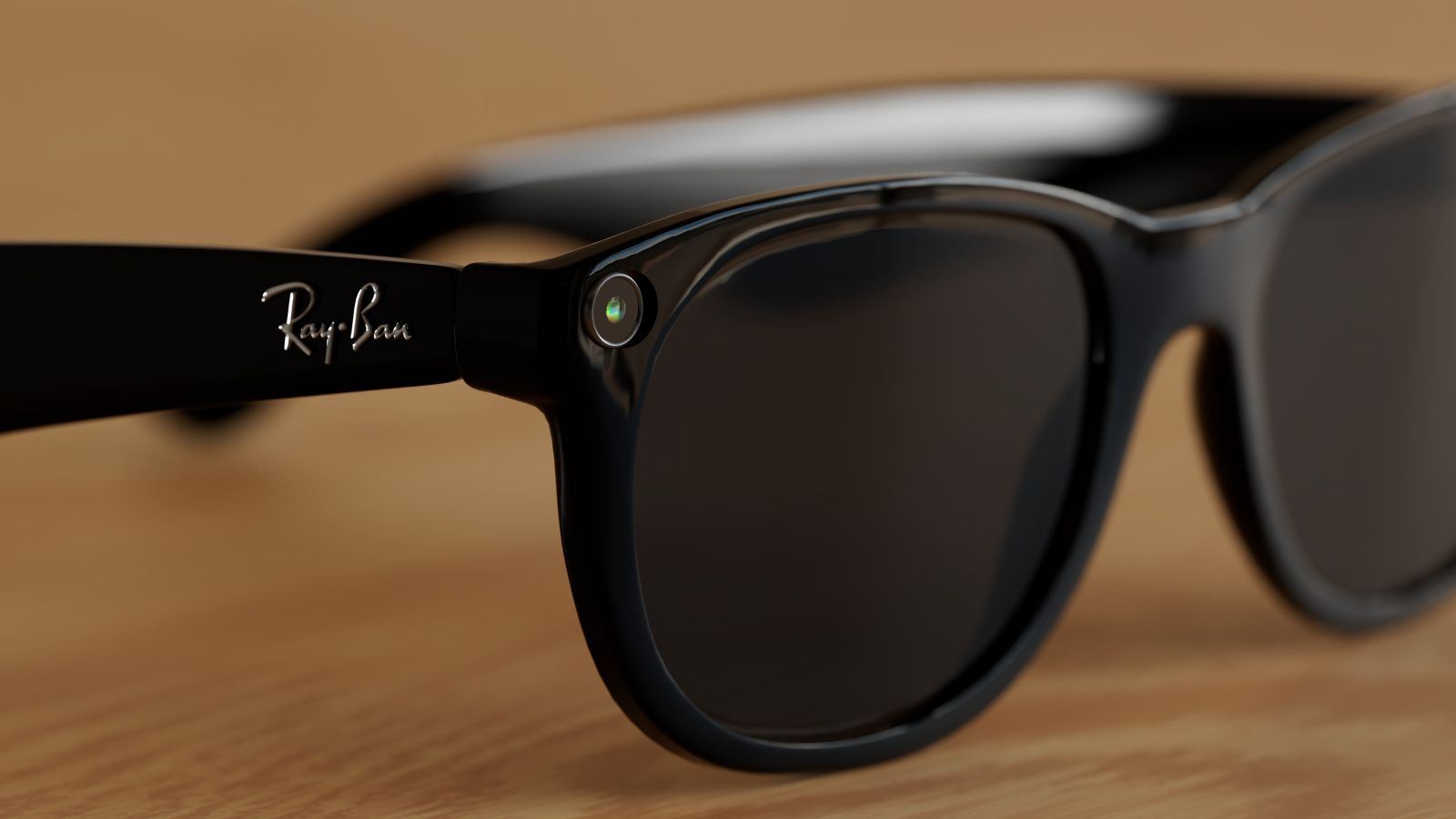

When a smartglasses company launches a privacy kit to hide the camera in its own smartglasses, it tells you something about the state of the industry.
This week, the smartglasses maker announced the launch of a new product: the AirGo A6, a lightweight, camera-free pair of AI-powered audio glasses, and the second generation of its camera-equipped model, the AirGo V2.
Solos also launched something arguably more unusual than either device – a privacy kit, a set of accessories designed to reassure anyone standing near a person wearing a 16-megapixel camera on their face.
It is, at minimum, an acknowledgment that the wider industry has a problem.
A Camera You Can Hide
The AirGo V2 is Solos’ most direct shot at Meta yet. Priced at $299 – the same as Meta’s Smart Glasses – they offer photo and video capture, music playback, AI assistant integration, prescription lens compatibility, and 10 to 12 hours of battery life. On paper, it’s a competitive package.
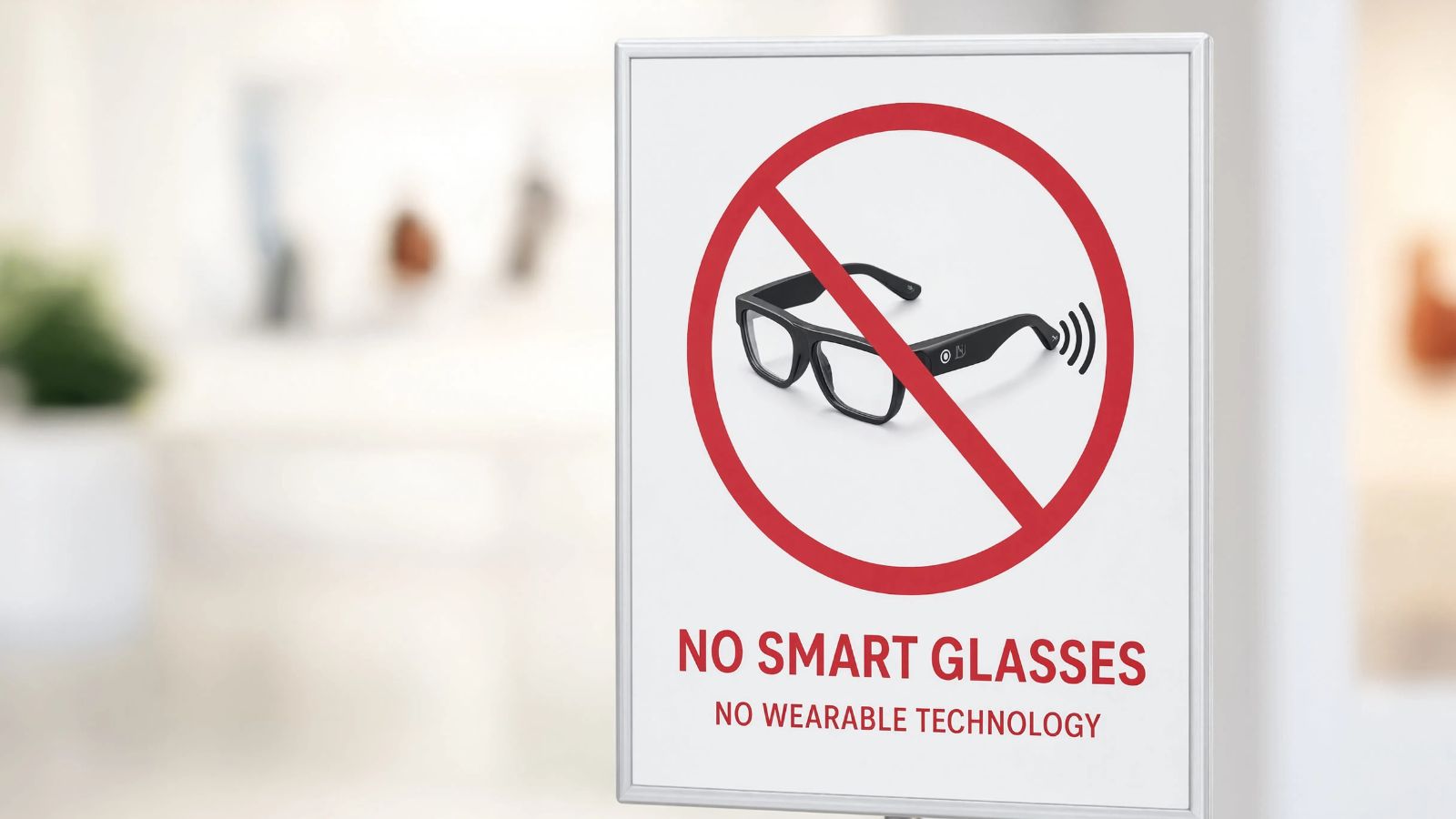
But where Meta has largely brushed off privacy concerns, Solos is leaning into them. The privacy kit, priced at $79 for the full bundle, includes a clip-on privacy shield that physically blocks the camera lens, a clip-on polarised shield, and the standout item: the ClearView Temple – a full replacement arm for the AirGo V2 that removes the camera hardware entirely.
Its transparent casing is the point; wearers can prove, at a glance, that there is no camera present.
The modular design of the AirGo V2 makes this possible. Users can swap temples depending on context – camera-enabled for personal use, hardware-removed for environments where recording is unwelcome or prohibited.
Solos’ GM Kenny Chung has previously posted about how “AI and vision tech” can remove everyday barriers.
“One of our core focuses is exploring how wearables can create more accessible experiences for everyone.”
The Problem With Clip-Ons
The ClearView Temple is a genuinely clever solution, but clip-on shields are a different matter.
Placing the burden of privacy on a removable accessory that a wearer can take off at any moment is not a technical safeguard – it’s a social one. It signals intent, but it doesn’t enforce anything. There is nothing stopping someone from entering a meeting, a gym, or a private event with the shield clipped on, and removing it once inside.
For enterprise environments in particular, this matters. Camera-equipped wearables are already a compliance headache for legal, HR, and IT teams navigating data protection regulations. A clip-on shield offers no audit trail, no policy enforcement, and no integration with device management platforms. It is, essentially, the honour system with a plastic attachment.
The ClearView Temple at least removes the hardware. But it requires the user to proactively swap out the arm – another voluntary step that depends on goodwill rather than governance.
The Market Solos Is Really After
The more strategically interesting product in Tuesday’s announcement is the AirGo A6. Camera-free, AI-enabled, and weighing just 19 grams without lenses, it is the clearest signal yet of where Solos sees its long-term opportunity.
Meta has dominated the smart glasses market, but its camera-forward approach has generated sustained criticism. The company also drew significant backlash after facial recognition code was quietly added to the devices and only removed following a media investigation.
The company also recently announced it would begin charging for features on its glasses that had previously been free – another potential wedge for competitors.
The AirGo A6 supports voice-activated AI assistants, voice memos, translation, calls, messaging, and reminders. It is compatible with prescription lenses – a practical detail that matters enormously for mainstream adoption. It is, in short, everything useful about a smart glasses device, without the feature that makes people uncomfortable.
The Credibility Gap
There is an uncomfortable tension at the centre of Solos’ announcement. The company is positioning itself as the privacy-conscious alternative to Meta while simultaneously selling a $299 camera device and a separate kit to neutralise it.
Buying smart glasses in order to then spend another $80 disabling their headline feature is a peculiar value proposition.
Solos’ previous camera glasses, the AirGo Vision, did not make a strong impression – early reviews were unkind, with critics citing mediocre media capture quality and frustrating controls.
The AirGo V2 will need to clear a higher bar. And the privacy kit, well-intentioned as it is, will need to be more than a marketing gesture if Solos wants enterprise buyers – and privacy regulators – to take it seriously.
The clip-on may be a start, but it’s not a solution.