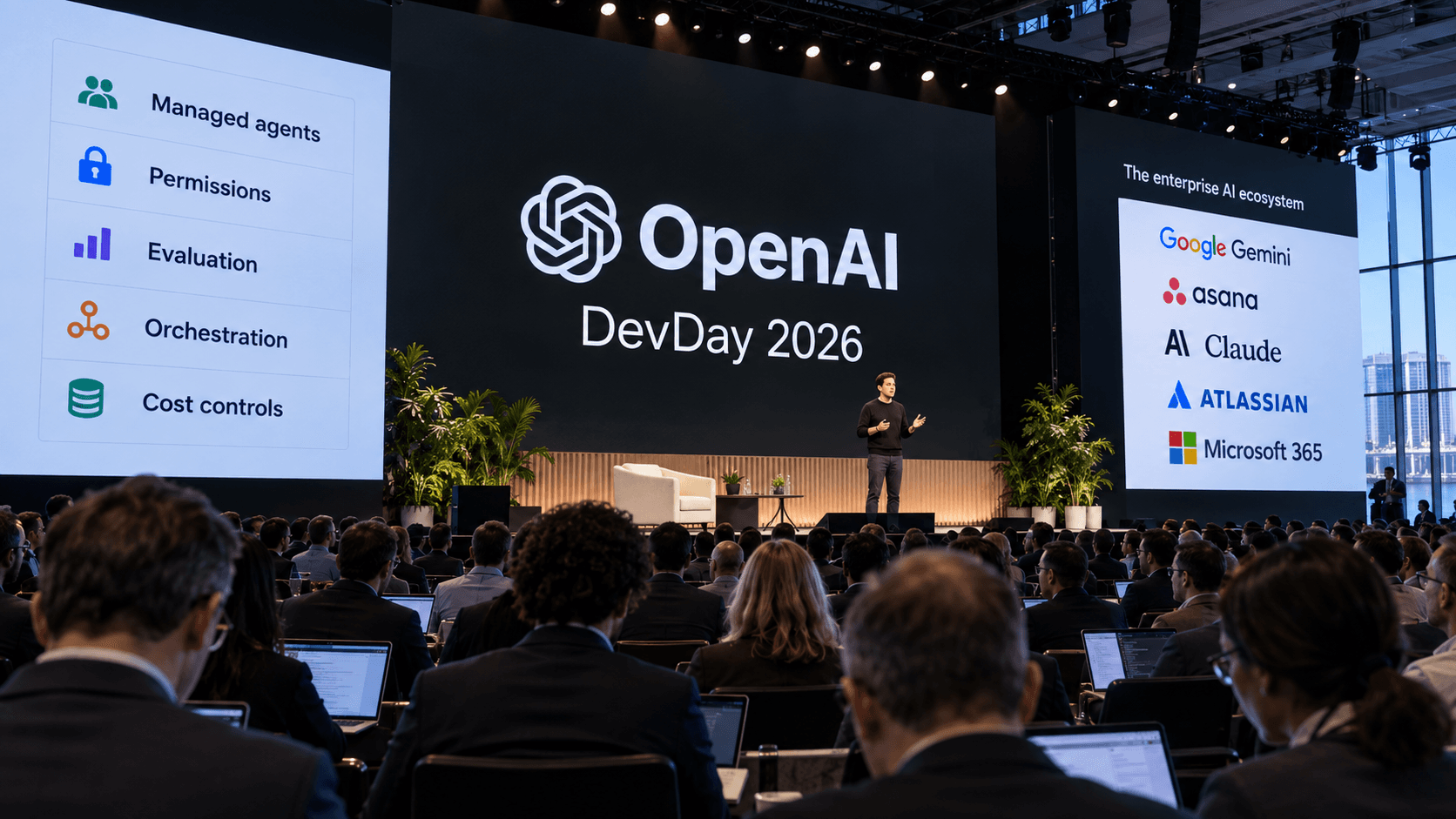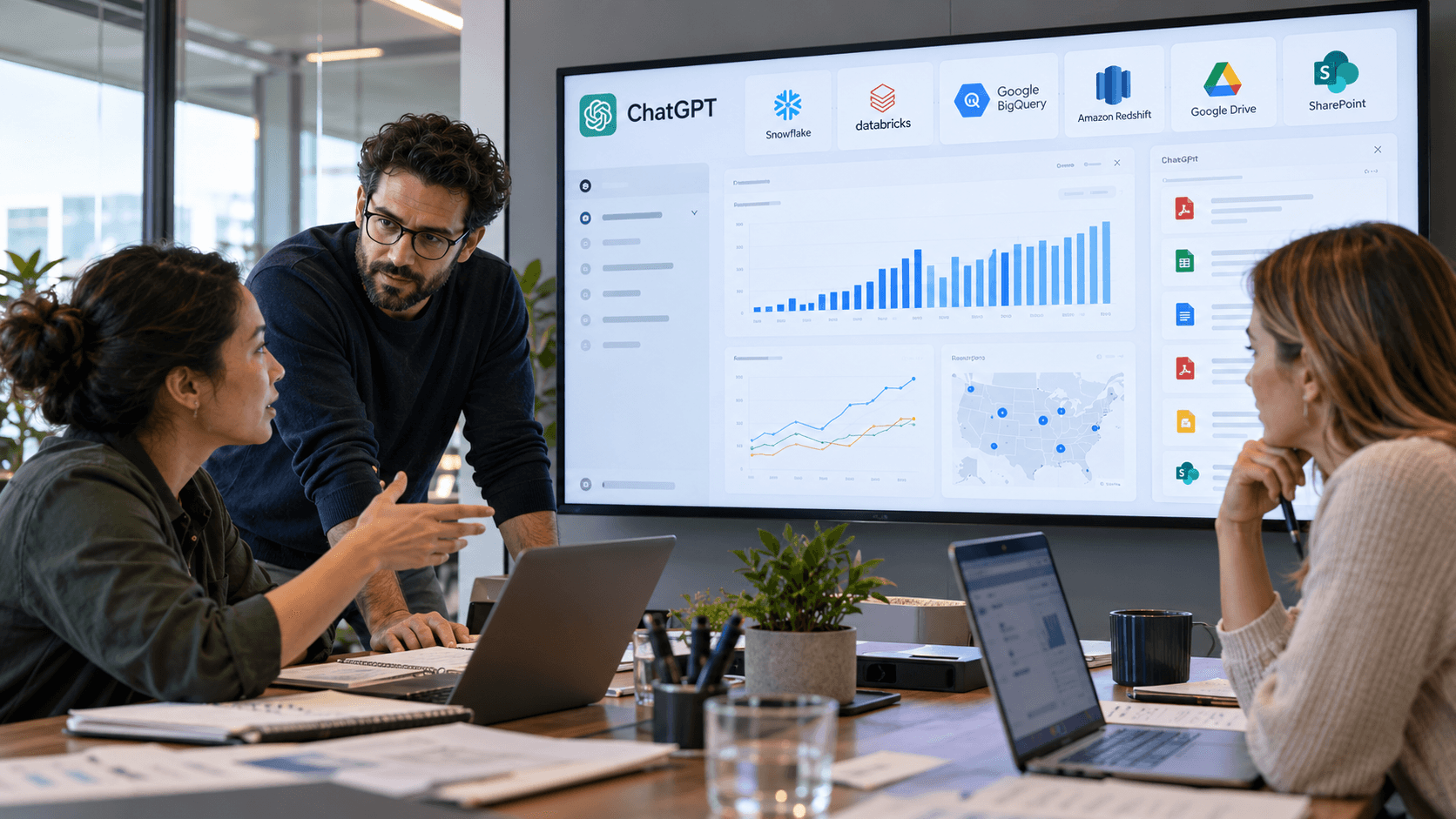
The gap between what the platforms promise and what teams experience is widening, and the answer may not be a better platform.
It may be what organizations build around the one they already have…
Read More:
- Is Per-Seat SaaS Pricing Dead?
- Will AI Agents Break the Project Management Software Model?
- Why Is AI-Generated Content Taking Over the Workplace?
Why Are AI Project Management Tools Failing to Deliver ROI?
The pitch has been the same for the better part of two years: embed AI agents into project workflows and watch manual coordination overhead disappear. This is the logic underpinning the hundreds of billions of dollars poured into artificial intelligence and the massive layoffs across the tech sector.
McKinsey's Superagency in the Workplace report found that access to AI tools in the workplace has grown 50 percent year on year. Yet only 1 percent of companies describe themselves as ‘mature’ in AI deployment. Among US C-suite leaders, just 19 percent reported revenue gains of more than 5 percent from AI. On costs, only 23 percent reported any favorable movement at all.
The category's leading platforms have moved fast. Monday.com repositioned its entire platform around native AI agents in May 2026, rebuilding its permissions model and data layer on the assumption that agents will do real work. Adobe Workfront introduced assignable AI agents at Adobe Summit 2026, allowing project managers to add AI as a named resource on a project plan. Asana launched AI Teammates for agentic collaboration, while ClickUp offers Super Agents that can execute multi-step workflows without human input.
The vendor roadmaps are credible. The adoption data is not…
Deloitte's 2026 State of AI in the Enterprise report, drawn from 3,235 senior leaders, found that only 25 percent of organizations have moved 40 percent or more of their AI pilots into production, and just 34 percent report using AI to deeply transform their business.
Gartner projects that over 40 percent of agentic AI projects will be at risk of cancellation by 2027 without proper governance controls in place.
The problem, as it turns out, is not the software or its shiny new AI-enabled dashboard.
Can Off-the-Shelf AI Software Close the Enterprise Productivity Gap?
Jatesh Guy, CEO of the enterprise content management company Hyland, shared his thoughts on why most AI pilots stall. Speaking at the company's Community Live event, he identified two failure modes: organizations running pilots out of "FOMO" (fear of missing out) rather than starting with a well-defined business problem; and organizations with the right intent but the wrong underlying data architecture.
"When you think about what's happening right now, the models are starting to look similar. Compute is widely available. What is truly novel and unique is an enterprise's data. It is a living record of their enterprise."
In the context of project management software, agents summarize and act on the data they can see. If task ownership is inconsistent, status fields are stale, and boards are structured differently across teams, an AI agent will surface that chaos rather than resolve it. Monday.com's own release documentation makes the point plainly: AI features are most effective when the underlying data is clean and consistently structured.
Buying a platform with AI agents and making project data AI-ready are two separate workstreams. Most organizations are doing the first and skipping the second.
As Kim Wexler quipped in season 2 episode 8 of Better Call Saul: “Either you fit the jacket, or the jacket fits you.”
What Do Custom AI Tools Actually Look Like in a Project Management Context?
Guy's prescription for closing the gap goes further than data hygiene. Effective agentic AI, he argues, requires an industry-specific ontology - a semantic understanding of the business language used across an organization - linked to a content graph that maps both structured and unstructured data wherever it lives: documents, emails, meeting notes, call transcripts.
"That's an entirely different architecture […]. Vectorize petabytes of data and hope we can figure it out."
From that graph, agents can be given governed, role-specific access to retrieve exactly the information they need, when they need it. In project management terms, that translates into a specific kind of custom build: