If there’s one piece of wearable tech dominating headlines in 2025, it’s AI glasses. Depending on who you ask, they’re either the next transformative leap as “next-generation personal intelligent devices” after smartphones – or another hype cycle destined to fade.
Mark Zuckerberg sees smart glasses an inevitable upgrade:
“Everyone who has glasses is pretty quickly going to upgrade to smart glasses over the next decade… and a lot of other people who aren’t wearing glasses today are going to end up wearing them, too.”
In another interview, he warned that people without AI-powered glasses might soon be at “a significant cognitive disadvantage” compared to those with them. The question is: are we on the brink of mass adoption, or will AI glasses join the list of ‘almost’ revolutions?
Ambition is one thing – delivering long-term value is another. For vendors, the challenge isn’t just building futuristic hardware, it’s proving these devices have staying power. With this in mind, what must vendors do to keep smart glasses from going the way of Google Glass?
Beyond Curiosity: Building Real Utility
2013’s infamous Google Glass is seen as a major industry lesson. Early missteps on privacy and utility showed what happens when hardware runs ahead of purpose.
Today’s boom – with Xiaomi selling 10,000 pairs in 12 hours and global shipments surging 110% in H1 2025 – signals massive demand. But curiosity-driven sales won’t sustain the market. Vendors must prove these devices solve real problems, not just spark momentary interest, essentially prioritizing substance over style.
Solve the Hardware Triangle
Granted, workplace potential is vast: remote teams collaborating with holograms or healthcare professionals using AI diagnostics in real time.
However, buyers won’t tolerate clunky or unreliable devices. With demands for integrated cameras, microphones, processors, and AI features like voice assistants, real-time translation, and image recognition all in one, such glasses won’t be minimal.
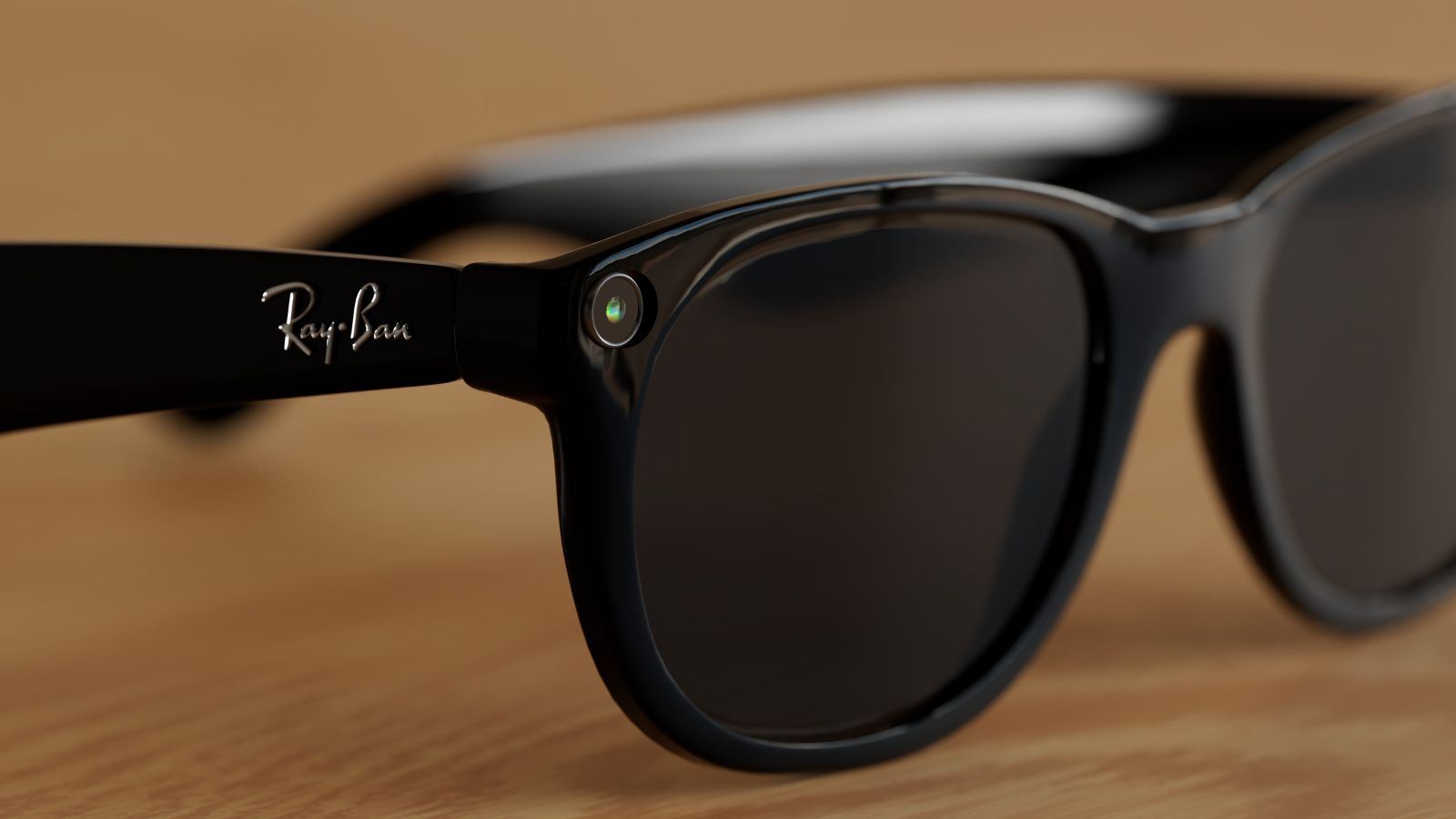
The ‘impossible triangle’ of battery life, weight, and value remain stubborn barriers – improving one often compromises another. This leaves users with overheated, short-lived, or bulky gadgets. Even Xiaomi’s debut, supposedly better than Meta’s Ray-Bans has its caveats: heavy use drains 60% of the battery in three hours, and its voice assistant can inadvertently trigger other Xiaomi devices.
Vendors need to prioritize breakthroughs in elegant, all-day wearability to avoid such glasses being tossed aside alongside forgotten fitness trackers.
Create Everyday Experiences, Not Party Tricks
Innovation curves are never smooth, with pain points persisting. Models can still resemble ‘half-toy, half-tool’ with limited daily utility. Hardware is outpacing software readiness, and without ‘killer apps’ most AI glasses still feel like a secondary devices rather than smartphone replacements.
Industry leaders are aware. Meta’s Ray-Ban success is partly due to Instagram and Facebook integrations; China’s Rokid added Alipay payments; and Xiaomi offers home control, navigation, sports tracking, and translation.
The leap from niche gadget to essential tool hinges on ecosystems, not specs. Just as smartphones were defined by app stores, vendors must foster developer communities and build daily, can’t-live-without experiences.
Win Trust on Privacy and Social Acceptance
Smart glasses aren’t just glasses. Their ability to record visual and audio data raises legal and social issues. One expert notes:
“Unless used in a constrained, use-case-specific environment, such as work or home, smart glasses are fundamentally, by their very design, incompatible with the main tenets of global privacy and data protection laws, such as the GDPR or the consent requirement in US privacy law.”
There’s also social awkwardness: users are often asked to remove them for etiquette reasons, or to assure they aren’t incognito recording. Vendors must ensure smart glasses feel natural – being ‘glasses’ is as crucial as being ‘smart.’
Play the Long Game
With over 440 AI glasses companies already registered in China, competition will be brutal. Only those who combine innovation with ecosystem-driven experiences will last. Vendors must think less about first-day sales and more about multi-year loyalty. The smartphone didn’t win because it was ‘cool’ in 2007 – it won because by 2010 it was indispensable.
Still, the industry must deliver advances before buyers lose interest – no easy feat given rising expectations.
The Decade-Defining Question
Smart glasses are perched at a tipping point. If hardware matures and ecosystems flourish, AI glasses could become the next personal computing revolution. If not, they risk becoming another Google Glass – remembered more as a symbol of promise than a platform that delivered.
The world didn’t realize it needed smartphones until they became indispensable. AI glasses may follow that same arc – or they may fade into the ‘chic but not essential’ category. The next few years will decide whether they’re the next leap in human-computer interaction or just a flash in the pan.
Join our LinkedIn community of 2,000+ UC innovators to share your take on the future of AI glasses, and subscribe to our newsletter for the week’s most crucial UC industry news.