
This year could see data analytics being used to help organisations better predict their communications needs as far as meeting rooms are concerned.
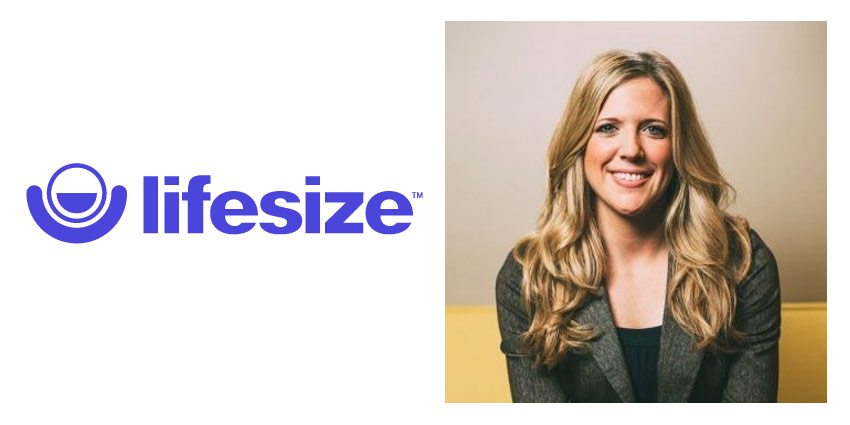
Speaking exclusively to UC Today, Amanda Etheridge, Senior Product Manager at Lifesize (pictured, above), said that when companies purchase video conferencing or collaboration suites, they want to know how it is being used across the organisation.
“The first step is just understanding if the room I’ve invested money in is being used and how it is being consumed,” she said.
“Are people using that room to make video calls or sharing presentations”
She said that organisations need to know if people are booking rooms and not using them or booking a room for three people that would normally fit 20. Analysing data can help in understanding the ROI of investments in collaboration tools.
“I think that when you look at the next 12 months and where those basic metrics are going, what [companies] really want to gain out of that is more on the predictive analytic side of things,” said Etheridge. “So this is about being able to understand how their business is going to scale and grow as they either add more people or understand where they may be short in certain areas that are preventing productivity across the organisation.”
Increased data analytics tools needed
She added that organisations will increasingly want tools that tell them if they if they don’t have enough meeting rooms or that they are spending too much money on large boardrooms that aren’t getting utilised as much as smaller rooms. She said,
“If you expect to have 15 or 100 more employees over the next couple of months, you are going to need X amount more huddle spaces for them to collaborate”
Data analytics can be deployed to help those organisations with forecasting and managing scale and growth.
Etheridge said that these capabilities have been requested by customers and is something Lifesize is working towards. “We have all the data about utilisation, it’s just a case of putting in a format so we can predict for them, so that they can plan accordingly.”
Such data could be helpful to IT administrators to justify investments in certain areas. “If they don’t have a way to justify it, then the budget doesn’t get put in the right place. And that affects the end users because then they don’t have the proper meeting spaces to do their job,” said Etheridge.
It is not just about who is or isn’t using rooms; it’s also about call quality and network issues. Etheridge said that in the latest release of the firm’s products, it could provide data on call statistics and call quality as this can identify where there might be network issues. Until now, this sort of information was anecdotal reports from users with dropped or bad calls. New analytic tools allow IT administrators to be more proactive in understanding where they may have network deficiencies so they can make sure is fully operational regardless of location.
While data about such topics is being generated already, Etheridge sees the next 12 months as an important step towards understanding this data and being able to act upon its conclusions.
“Where the trend is going to be in the next 12 months and more is around intelligently analysing the data to provide metrics and insights on ultimately about where the business needs to go, how it needs to perform, and be more efficient and effective,” she said.
More from Lifesize
Lifesize and Serenova Merge to create a contact centre communications and work management solution that serves over 10,000 global customers.