ScreenCloud’s digital signage solution is expanding its employee engagement and workplace productivity capabilities by integrating Microsoft Azure.
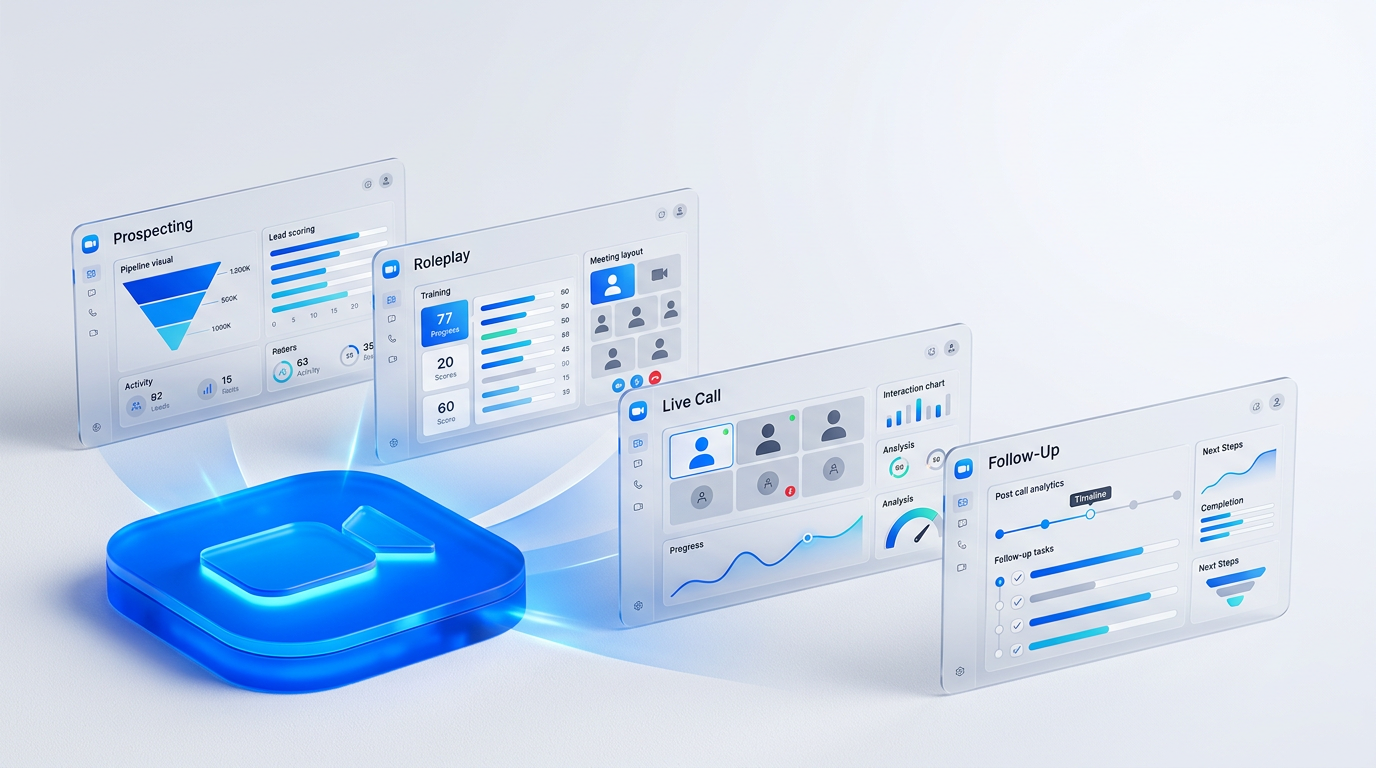
The integration enables real-time information to be displayed on workplace screens via Microsoft applications, including Teams, Power BI, Viva Engage, and SharePoint.
The solution is available from the Microsoft Azure Marketplace, which reduces finance and procurement costs.
Mark McDermott, CEO of ScreenCloud, added context to the integration: “The days of relying solely on video and image files for digital signage are fading fast, ScreenCloud envisions a future where content is dynamically generated from the web, leveraging deep integrations with strategic partners like Microsoft.
“Our collaboration empowers customers to elevate employee engagement using the content and systems they already have, but now reaching the entire workforce via screens, not just the knowledge workers.”
ScreenCloud is integrating Azure Kubernetes Services and Azure DB for PostgreSQL, as well as other services, to bring real-time information directly to workplace screens.
As a result, deskless and frontline workers can access critical updates, training materials, and insights. Such workers account for a staggering 80 percent of the global working population, according to a study by Emergence.
Digital signage goes some way to supporting these workers with research by McKinsey Global Institute finding that enhanced internal communications can increase productivity by up to 25 percent.
A meta-analysis of 1.4 million employees by the Gallup Organization also found there were 41 percent fewer quality defects when workplace engagement had been improved by 22 percent.
Most of ScreenCloud’s clients already create and store content using Microsoft’s range of applications.
Now, ScreenCloud’s solutions gather information from these applications, including SharePoint files, Power BI dashboards, and Teams content, strengthening its collaboration with Microsoft even more.
Customers are able to use more recent content to gain insights and bolster employee engagement, without needing to manually copy content across.
ScreenCloud believes that its collaboration with Azure achieves the mutual goal for both companies of creating workplace technology that has “a place and a purpose”, and improves employee experiences.
James Chadwick, ISV Ecosystem Lead at Microsoft, outlined some of the benefits of integrating its technology: “Frontline workers are the backbone of the global economy.”
“By seamlessly fusing Microsoft’s robust business technologies with ScreenCloud’s expertise in digital signage, we are empowering these workers with insightful, real-time information.
“The integration aims to enhance engagement, retention, and overall well-being, fostering a happier and more productive workforce.”
ScreenCloud uses “screens that communicate” to build connected workplaces and workforces. Organisations can share their most critical information with their workers through the ubiquitous technology of screens.
The digital signage solution can be utilised to transform internal communications, sales and marketing, and IT and operations, resulting in higher revenue, cost savings, and improved compliance.
Founded in 2015, ScreenCloud has over 10,000 customers, which collectively power more than 100,000 screens around the world. The company has over 100 employees across London, Bangkok, Charlotte, Los Angeles, and Belfast.
Microsoft Azure has made a number of headlines so far this year. In February, it announced the public preview of its next-generation cloud platform Azure Operator Nexus.
More recently, it has added both Avaya’s OneCloud platform and CallCabinet’s compliance call recording solution to its marketplace.