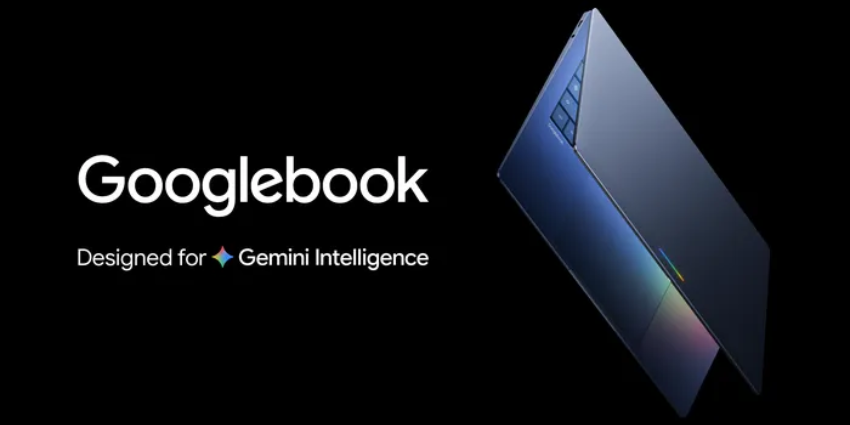

Google has unveiled Googlebook, a new Gemini-first laptop line that looks set to become the company’s most ambitious workplace device play in years. Positioned to launch in fall 2026 with hardware from Acer, Asus, Dell, HP, and Lenovo, Googlebook is being presented as a laptop experience built around proactive AI help rather than the older browser-first Chromebook formula.
For enterprise leaders, that makes this more than a new laptop announcement. It is a signal that the future of work battle is shifting decisively toward AI-native devices and employee-facing workspace technology.
AI laptops are becoming a workplace battleground
That matters because the device conversation in enterprise IT is changing fast. Over the past two years, vendors have raced to define the “AI PC” era, with Microsoft pushing Copilot+ PCs as a new category and Google steadily embedding Gemini deeper across Android and productivity experiences. In that context, Googlebook feels less like a product launch and more like a strategic move to secure a bigger role in enterprise computing.
The laptop is no longer just a laptop. It is now the front line for AI workflow adoption, employee productivity, and digital experience design. That is why Googlebook matters beyond hardware specs.
Related Articles
Are Hidden Device Costs Destroying Your Workspace Budget?
The Smart Workspace Vendors to Know About in 2026
The 2026 Hybrid Hardware Checklist for Modern Collaboration
What Googlebook actually brings to the table
So what is Google actually launching? According to the announcement details, Googlebook is built from the ground up around Gemini and includes features such as Magic Pointer, an AI-powered cursor that surfaces contextual actions based on on-screen content. Users will also be able to access Android phone apps from the laptop, pull mobile files directly into the file browser, and create custom widgets through Gemini prompts.
Google says the devices are designed to provide more personal and proactive help, with Android integration doing much of the heavy lifting behind the scenes. That gives Googlebook a different positioning from the traditional Chromebook model, which was built around browser simplicity rather than embedded AI assistance.
Why Googlebook matters for workforce engagement
For enterprises, the real story is not just novelty. It is workforce engagement through better devices and smarter workspace experiences. If Google can make AI feel embedded, useful, and not distractingly over-engineered, Googlebook could help employees move between tasks with less friction across meetings, messaging, files, planning, and mobile applications.
That is the promise, anyway. IT and workplace leaders will be watching to see whether Googlebook can reduce app-switching, simplify hybrid work patterns, and improve how staff interact with the digital tools they already use every day. In other words, this is where workspace tech starts crossing into employee experience strategy.
The bigger shift beyond Chromebook
There is also a broader platform implication. Multiple reports frame Googlebook as part of a longer transition away from ChromeOS and toward an Android-based foundation with AI built in more deeply. Google has said existing Chromebook users will continue to receive support under current commitments, but the direction of travel looks fairly obvious.
The company may not be shouting “Chromebook replacement” from the rooftops, but it is clearly repositioning its laptop strategy. For enterprises with fleets of Chromebooks or mixed device environments, that raises questions around management, security, app compatibility, lifecycle planning, and whether Googlebook becomes a serious long-term alternative to Windows and Apple devices.
For another example of how small device and browser changes can shape employee productivity, read UC Today’s feature on Google Chrome Split View.
Googlebook enters a crowded AI device race
The competitive angle is hard to miss. Googlebook arrives as Microsoft continues to build out the Copilot+ PC category and as Apple keeps folding AI more tightly into its hardware and operating system strategy. Google’s answer is to turn Gemini into the operating idea, not just an assistant bolted onto the side.
If that works, Googlebook could give enterprises another credible AI device option, especially for organisations already leaning into Android, Google Workspace, or broader Google cloud ecosystems. If it does not, it risks becoming an interesting concept stuck between the legacy of Chromebook and the momentum of better-established enterprise PC platforms.
Why busy enterprise buyers should care
The takeaway is simple: Googlebook is really a story about where workplace computing is heading next. AI-first laptops are becoming a serious strategic battleground, and the winners will not be decided by specs alone. They will be decided by who makes work feel faster, more connected, and less frustrating for employees.
Googlebook may not settle that contest overnight, but it has made the race more interesting. For busy enterprise technology professionals, this is the bigger issue to watch: not whether Google has launched another device, but whether it can shape the next model for AI-powered work.
Stay ahead of the next wave of AI-powered workplace technology with UC Today’s Future of Work coverage.