XR was all over the 2026 FIFA World Cup – but most fans didn't know it.
From augmented reality broadcast studios to AI-stabilised referee cameras, 3D player avatars, and headset experiences beamed into living rooms, immersive technology has been woven into every layer of this summer's tournament.
That shift – from novelty to infrastructure – might be the most significant thing to happen to XR in years.
What XR Actually Looked Like at the World Cup
The range and scale of immersive technology on display at the 2026 tournament has been striking, even if it has not always been billed as such.
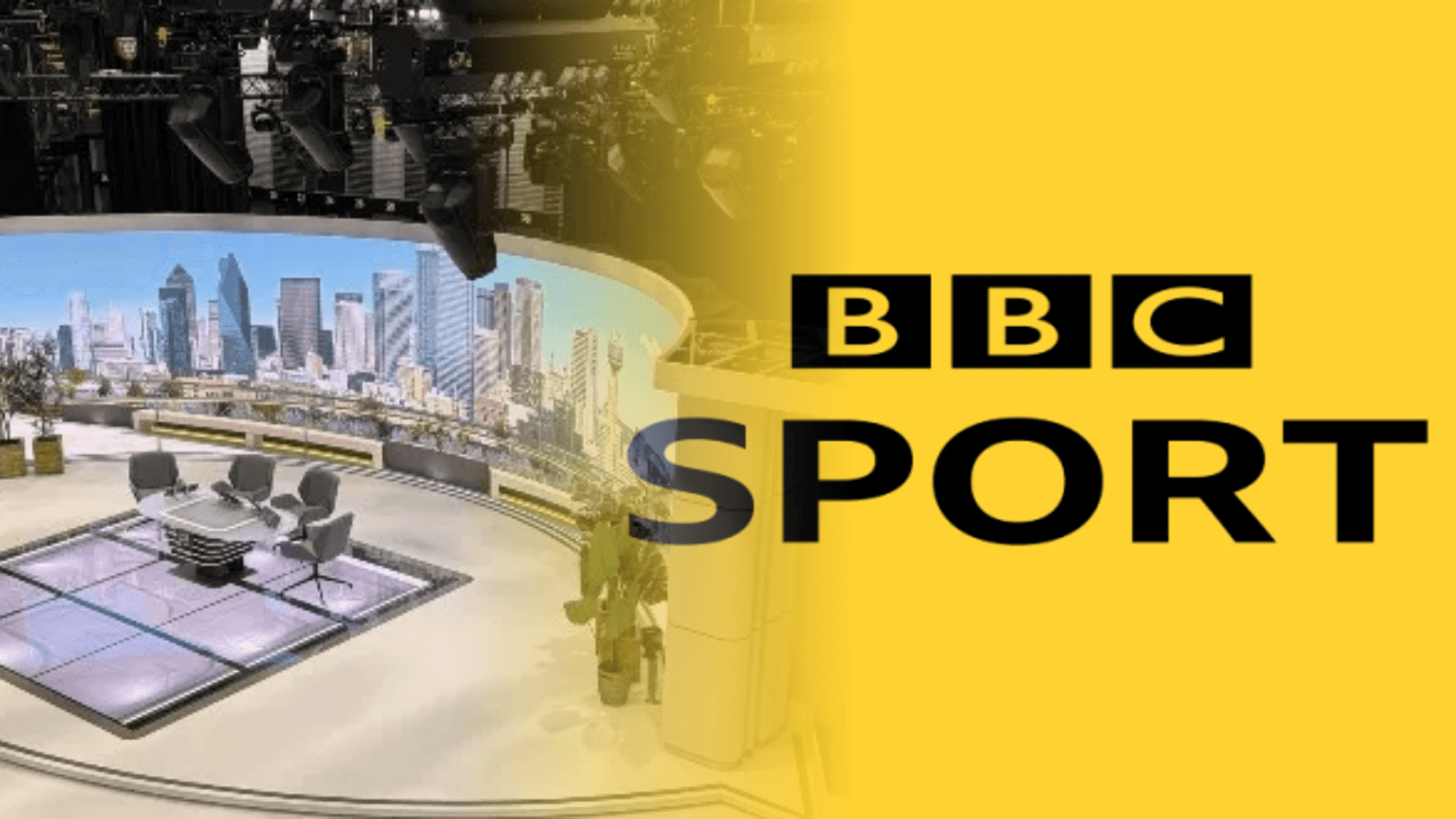
Fox built a dedicated XR Mission Control studio in Los Angeles for its World Cup coverage, featuring a massive LED display wall and AR graphics that allow presenters to move fluidly between studio segments, tactical graphics, and live match feeds within a single physical setup. It is high-end broadcast production built entirely around augmented reality.
Lenovo's Referee View put a lightweight, AI-stabilised head-worn camera on match officials, feeding a live referee's-eye view directly into global broadcasts. The footage is stabilised in real time using a custom AI engine that reduces visual jitter by up to 50 percent. Millions of viewers watched through a wearable device this summer without ever thinking of it as wearable technology.
Also powered by Lenovo, the tournament's semi-automated offside system uses photorealistic 3D avatars of all 1,248 competing players for VAR reviews. Every player was individually scanned before the tournament, with AI generating the avatars within hours. The result is offside decisions visualised in precise, player-accurate 3D, shown to billions of viewers as a routine part of the broadcast.
Away from the pitch, DAZN launched an XR experience on Meta Quest for the FIFA Club World Cup earlier this year, offering fans multi-angle views, interactive stats, and a 3D tabletop match viewer from their living rooms. Cosm has been showing 40 World Cup matches across its immersive venues in Los Angeles, Dallas, and Atlanta, offering what it describes as "VR without the headset" – large-scale shared immersive viewing in a physical space.
From Zeppelins to the Pitch
Tim Kay, Founder and Executive Producer at Argus HD, knows better than most how far the technology has come.
In 2012, he was on the crew when Google revealed its prototype AR glasses by dropping a skydiver from a zeppelin above San Francisco's Moscone Center – he was even offered a seat in the blimp. Back then, the hardware was the entire spectacle.