XR usability challenges enterprise teams are battling are rarely about ambition. They are about friction. Many immersive workplace programmes promise faster training, richer collaboration, and better decision-making, but then deliver a new set of problems that employees feel immediately: uncomfortable hardware, unclear interaction patterns, clunky onboarding, and workflows that no longer fit the way people actually work. If your immersive workplace strategy is creating friction instead of reducing it, your problem is not ‘XR maturity’. It is XR user experience design.
For CIOs and heads of IT strategy in the evaluation stage, the question is blunt: is XR removing steps from work, or is it adding a new layer that people must manage on top of everything else? The difference between a successful programme and an expensive pilot graveyard often comes down to usability.
Urho Konttori, Founder and CTO, Varjo prioritises usability.
“We’ve heard the demand from leading-edge VR users such as aviators, creators and racing simulation enthusiasts to bring our highest-fidelity devices to everyone, not just enterprises.”
That quote matters because it hints at a reality enterprise teams already know: XR is still balancing ‘high fidelity’ with ‘high convenience’. And convenience is where adoption lives or dies.
Related Articles
- How to Design Immersive Workflows That Deliver Measurable Productivity
- Why Does Every XR Pilot Look Impressive but Fail to Scale Across the Business?
How Does XR Introduce Friction Into Workplace Workflows?
Direct answer: XR introduces friction when it breaks the flow of work, adds new setup steps, or forces employees into interaction patterns that feel unnatural, slow, or physically uncomfortable.
In evaluation, it helps to treat immersive tech friction workplace as a set of predictable failure modes:
- Entry friction: charging, pairing, launching, calibrating, logging in, and ‘getting into the experience’ becomes a mini project.
- Context friction: users lose access to the normal tools they rely on (chat, docs, ticketing, dashboards), or must switch between worlds to complete a single task.
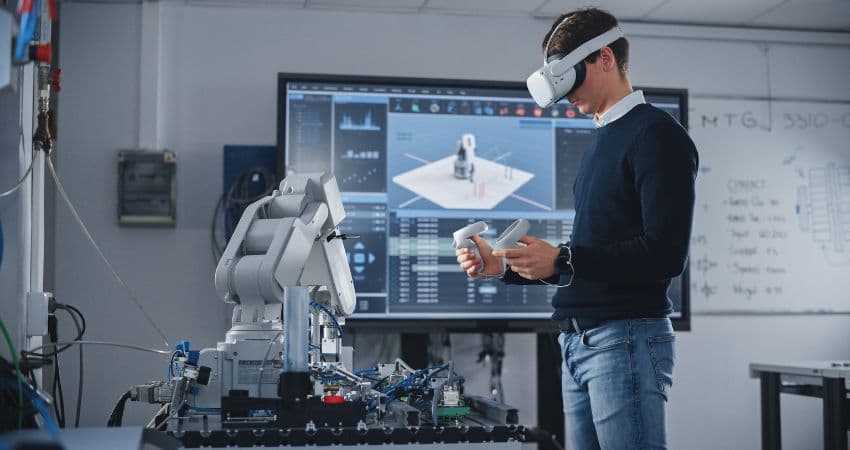
- Physical friction: discomfort, heat, weight, glasses compatibility, motion sensitivity, and fatigue shorten session length and reduce repeat use.
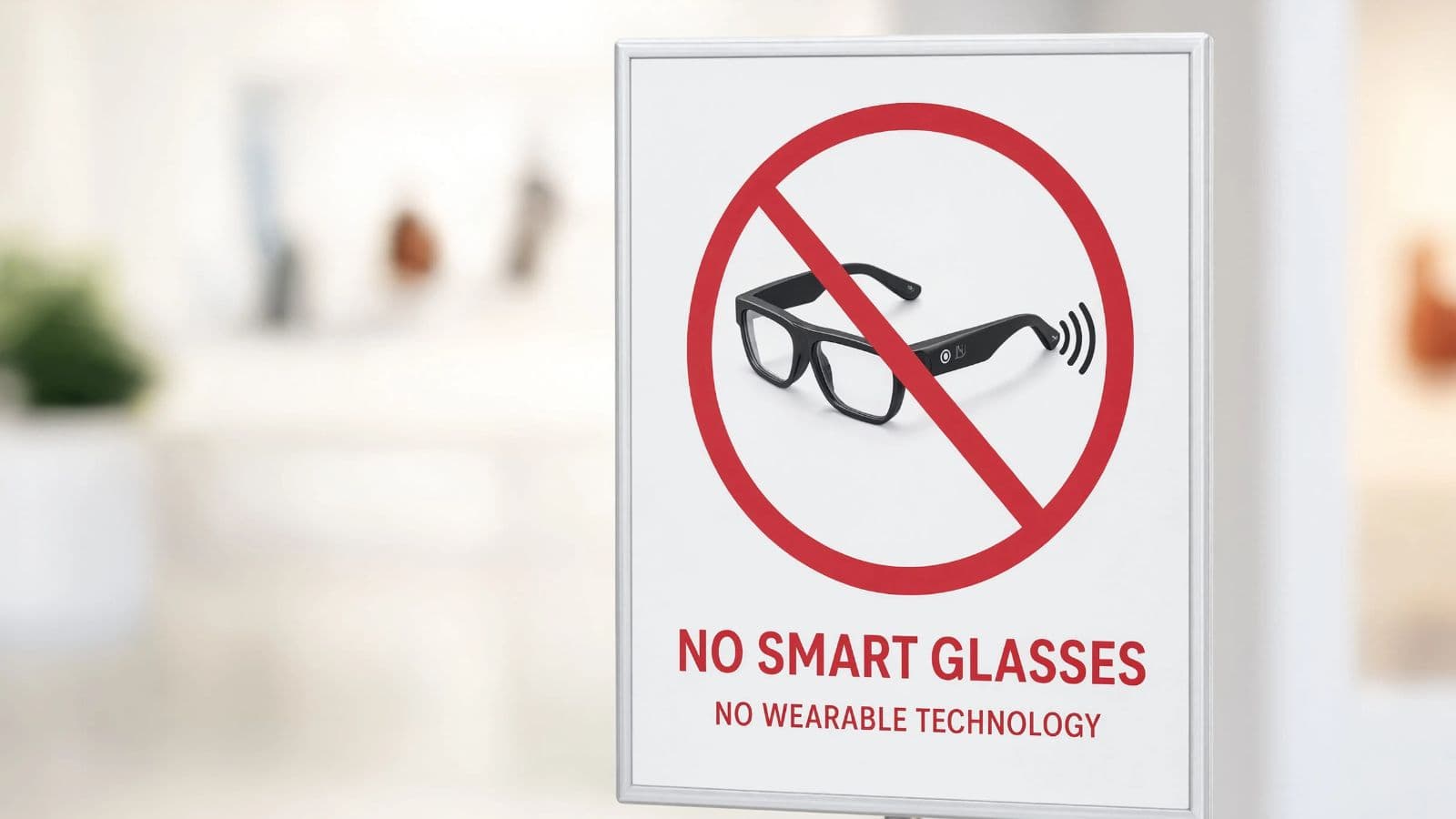
- Social friction: people feel self-conscious wearing headsets, worry they look silly, or lose the ability to read real-world cues in meetings.
- Workflow friction: the XR moment is not connected to systems of record, so staff have to retype, recap, or recreate outcomes elsewhere.
In other words, XR fails when it becomes ‘another place work happens’ instead of the place where a specific workflow step becomes faster, safer, or more accurate.
What Usability Challenges Limit Immersive Adoption?
Direct answer: The biggest usability barriers are comfort, clarity of interaction, and the time-to-value it takes a user to feel competent inside the experience.
This is where CIOs should be sceptical. Many pilots focus on content quality and ignore usability at scale. Ask the hard questions:
- Comfort over time: can the average user complete a 30-minute session without fatigue, nausea, or discomfort?
- Accessibility: can users with prescription lenses, hearing differences, mobility constraints, or neurodiversity needs participate without penalty?
- Input reliability: do voice, hand tracking, controllers, or gaze input work in noisy, high-movement, or PPE-heavy environments?
- Onboarding time: how long until a new user can complete the task with minimal assistance?
- Failure recovery: when tracking fails, the network drops, or an app crashes, can the user recover without restarting the whole experience?
If you want a quick reality check, look at what hardware vendors emphasise when they talk about readiness. Even in a product announcement positioned around visual fidelity, Varjo highlights that “advanced ergonomics and significantly reduced weight” are central to making high-end XR practical.
“Its advanced ergonomics and significantly reduced weight make it the lightest headset from Varjo to date.”
Why Do Employees Resist XR Environments?
Direct answer: Employees resist XR when it feels like extra effort, when they do not trust the experience, or when the value is not immediate and personal.
Resistance is often misdiagnosed as ‘change management’. In reality, it is frequently a usability verdict. Common drivers include:
- Fear of looking incompetent: people avoid tools that make them feel clumsy in front of peers.
- Perceived surveillance: cameras, eye tracking, voice capture, and session recording create uncertainty about monitoring and performance management.
- Wellbeing concerns: headaches, nausea, fatigue, and sensory overload are hard stop issues, not minor inconveniences.
- Tool sprawl fatigue: users already juggle too many platforms. XR can look like ‘one more place’ rather than a simplifier.
For enterprise adoption, trust and clarity matter as much as content. HR and IT need to be aligned on what is captured, what is stored, who can access it, and how long it persists.