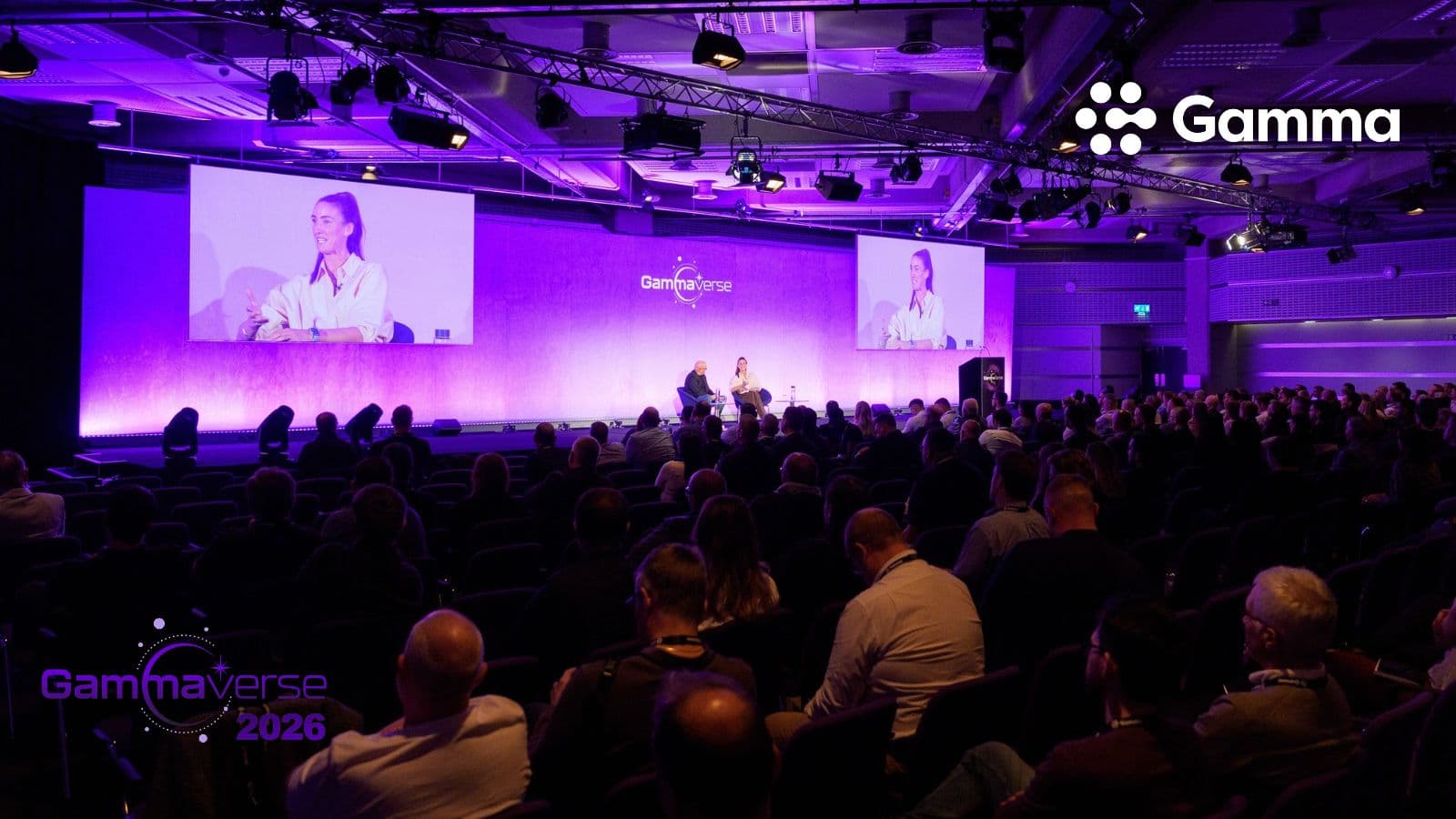
Most enterprise IT teams have run an agentic AI pilot. Very few have a production deployment to show for it. That is the problem ServiceNow and Accenture chose to address at Knowledge 2026 in Las Vegas this week, announcing a forward deployed engineering (FDE) programme designed to close the gap between proof of concept and real-world use.
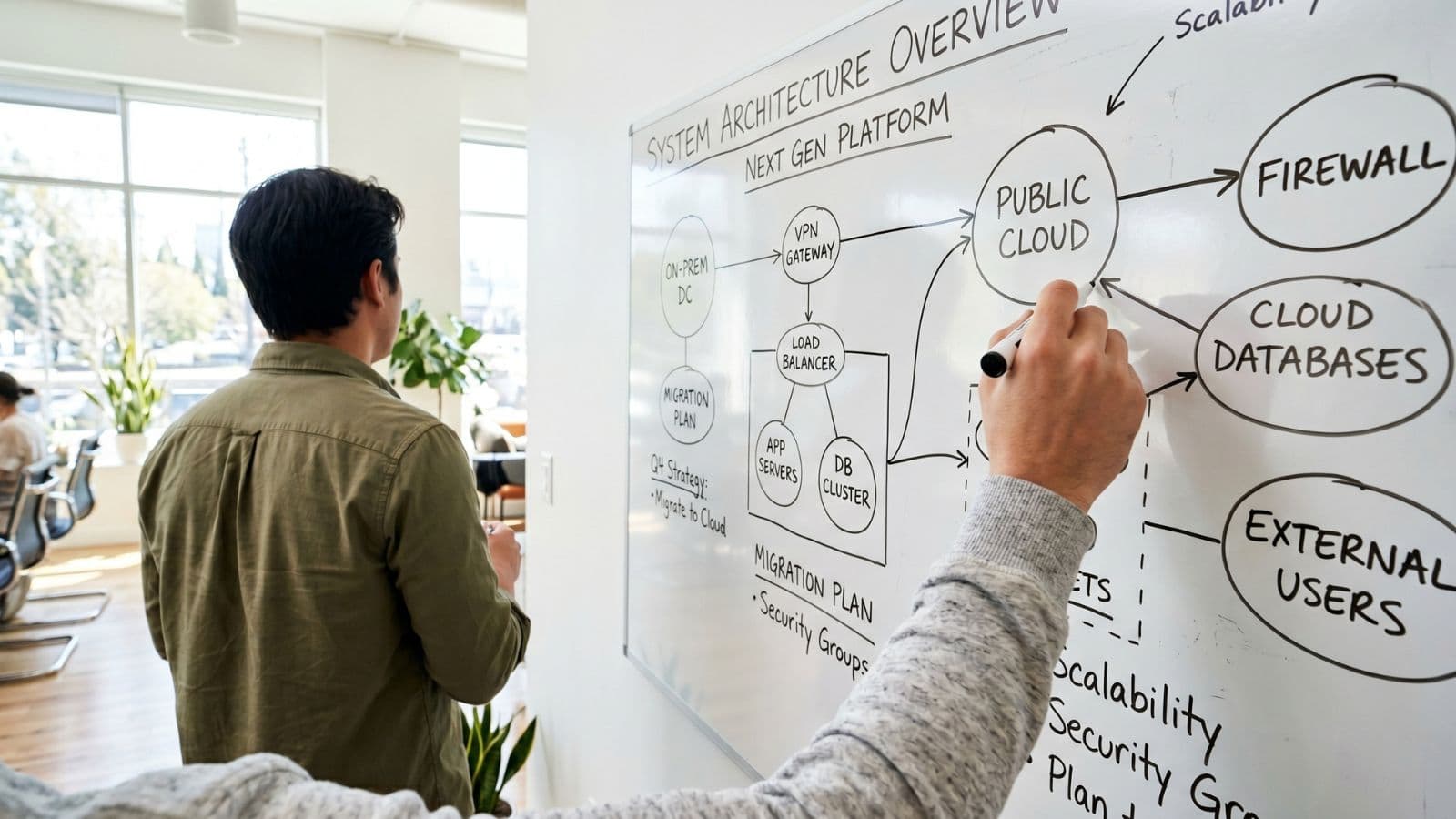
Under the programme, ServiceNow engineers embed directly inside customer environments alongside Accenture specialists. They build agentic AI workflows on the ServiceNow AI Platform and get them running in production before any wider rollout happens. Clients get access to more than 300 pre-built AI agent skills through ServiceNow's AI Control Tower.
John Aisien, SVP and General Manager, Central Product Management, Security & Risk at ServiceNow, said: "Our teams are in the customers' environments, implementing ServiceNow, customer and third-party building blocks, and demonstrating the resulting value metrics in the ServiceNow AI Control Tower."
Ram Ramalingam, who leads Software and Platform Engineering at Accenture, said: "The question our clients ask is not whether to invest in AI. It's how to make it work at enterprise scale."
Accenture's own Pulse of Change research gives some context for why this matters: only 32% of leaders report sustained, enterprise-wide AI impact. ITSM agentic AI is where that gap tends to show up first, given how much service management underpins day-to-day IT operations.
Why Agentic AI Pilots Are Failing to Reach Production
The reasons pilots stall are well-established. A March 2026 analysis of 650 enterprise technology leaders found only 14% had scaled an AI agent to organisation-wide use, and traced most failures to the same cluster of causes: legacy system integration, inconsistent output quality at volume, missing monitoring tooling, and unclear ownership. SolarWinds' 2026 IT Trends Report adds a useful data point: 44% of IT professionals are handling more incident response since AI adoption, not less.
The FDE model is a direct response. Rather than leaving customers to figure out deployment alone, ServiceNow and Accenture put engineers inside the customer environment from the start and work toward live production outcomes. ServiceNow's Q4 earnings call offered a preview of the commercial logic: an FDE engagement with a major US fast food chain led to a 13x expansion of their Now Assist contract at renewal. Ivanti made a similar move in April 2026, launching an autonomous service desk agent, which signals how competitive the race to production-grade agentic ITSM has become.