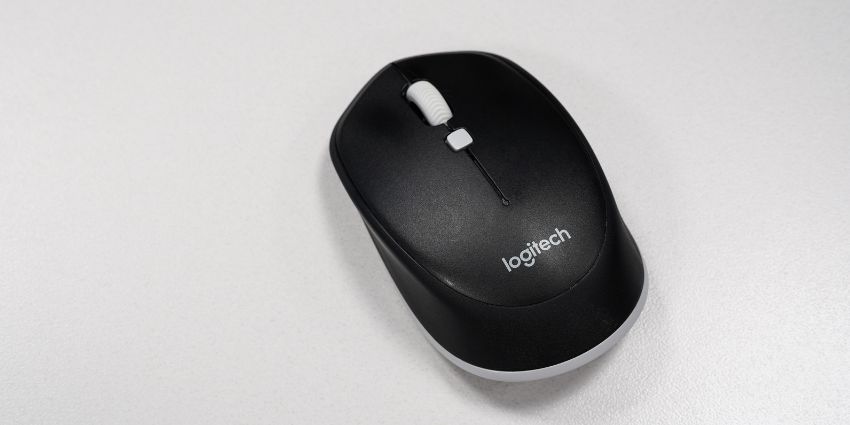

Shanghai Baishide Electronics Company, a core authorised agent for Logitech in China has been penalised by the market supervisory authority in Shanghai’s Jingan district following an investigation into a video advertisement published on March 25 on a leading short-form video platform.
Last month the distributor was hit with a 200,000 yuan (US$30,000) fine for the content, which was promoting a Logitech mouse.
The ad contained the line: “You said you won’t spend a single penny. But once I lower the price, won’t you flock to me like dogs?” It was pulled just 24 hours after publication, but not before it had ignited significant public fury across Chinese social media.
A Backlash That Couldn’t Be Walked Back
The speed of the withdrawal did little to contain the damage.
According to reports in the South China Morning Post, internet users were swift and unsparing in their condemnation, with many vowing to boycott the brand entirely.
“They just speak what they think at heart. I will avoid this brand in future. I hope the authorities punish them more harshly,” wrote one user.
Another asked: “So anyone buying its product is a dog, in this company’s eyes. With so many options available, why must we buy Logitech’s products?”
Logitech did issue an apology in late March, stating it was “genuinely shocked and deeply saddened” by the content.
The company said the advertisement had been released by a Baishide employee who bypassed internal review procedures, and that it had urged Baishide to address the incident seriously. Baishide subsequently apologised and acknowledged its management failings.
Why China Matters So Much to Logitech
The timing and location of this incident could hardly be more sensitive.
Logitech has invested heavily in its China presence, including through authorised distributor networks like Baishide, which also operates an official Logitech storefront on the same platform where the offending ad appeared.
That structure – where a global brand delegates significant market activity to local agents – is common practice, but it carries inherent risk.
When a distributor acts outside approved parameters, as Logitech claims Baishide did here, the global brand nonetheless bears much of the reputational consequence in the eyes of consumers.
A Pattern of Advertising Controversy in China
The Logitech case is not an isolated incident. China has seen a string of advertising controversies in recent years that have drawn regulatory action and public fury in equal measure.
In 2018, Dolce & Gabbana sparked one of the most damaging brand crises in recent marketing history. A campaign video depicting a Chinese model struggling to eat Italian food with chopsticks was widely condemned.
When co-founder Stefano Gabbana’s private messages containing derogatory remarks about China were leaked shortly after, the fallout was swift — the brand’s Shanghai runway show was cancelled and its products were pulled from Alibaba and JD.com.
Also in 2018, Marriott International found itself in regulatory trouble after a customer survey listed Tibet, Taiwan, Hong Kong and Macau as separate countries. Chinese authorities treated it as a violation of advertising and cybersecurity laws — and the company’s Chinese website was taken offline for a week and its app was blocked.
Last month, British consumer goods company Dettol faced heavy criticism for an advertisement that many online users say objectified women.
The company removed the ad and apologised after the backlash.
These cases point to a broader challenge: as China’s advertising market grows more competitive and short-form video platforms incentivise attention-grabbing content, the temptation to push creative boundaries appears to be outpacing both internal compliance and regulatory enforcement.
Is the Fine a Deterrent – Or Just a Footnote?
The 200,000 yuan penalty imposed on Baishide is minor, but the more consequential punishment is commercial.
Whether Logitech moves to review, restructure, or terminate its relationship with Baishide remains unknown – the company did not respond to questions on the matter.
What is clear is that consumer trust, once damaged in China’s hyperconnected social media environment, is extraordinarily difficult to rebuild.
For global tech brands operating in the country, the message from this episode is blunt: the actions of your local partners are your reputation.
Logitech did not respond to a request for comment from UC Today