
If you blinked this week, you missed a lot. Meta Connect happened, Samsung’s Project Moohan made another appearance, Apple dropped VisionOS 26, and everyone suddenly remembered they’re working on smart glasses. Let’s break down what really matters.
Meta Connect: Glasses > Headsets
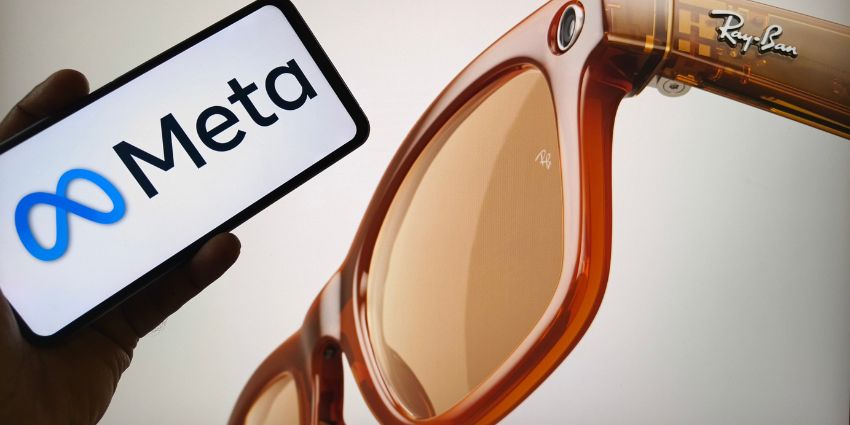
Meta turned up to its annual Connect event with one clear message: we’re really, really serious about glasses now.
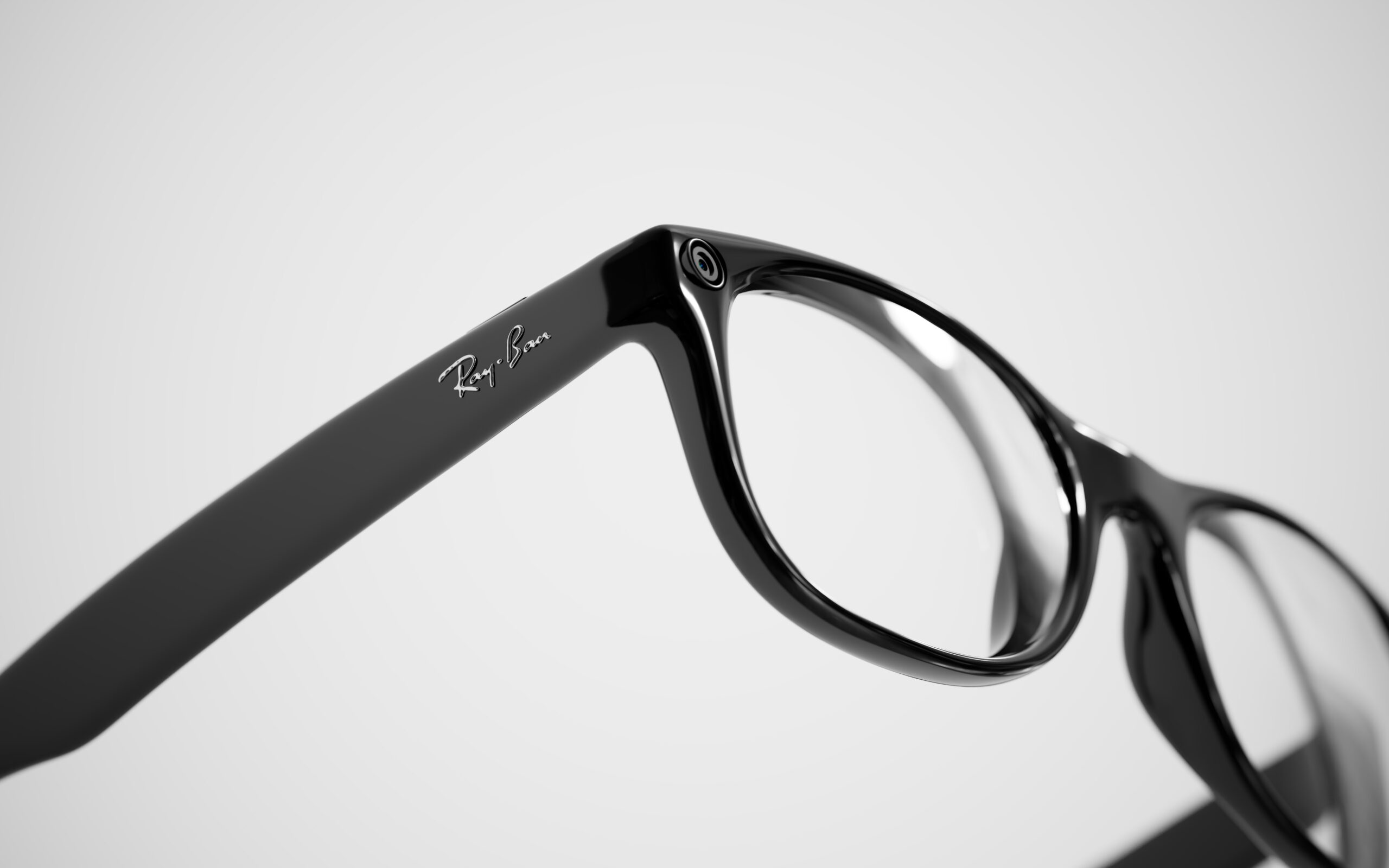
The star of the show was Ray-Ban Meta Display, the company’s first smart glasses with an actual display. At $800, you get a small color heads-up display (visible only to your right eye) and the Meta Neural Band, a wristband that tracks your finger movements through electrical signals in your wrist. Yes, it sounds like sci-fi. Yes, it actually works.
The catch? It’s bulky, the monocular display is a bit uncomfortable since your brain expects to see with both eyes, and it’s only launching in select US stores on September 30. But the Neural Band genuinely impressed people who tried it. One reviewer called it “magic.” International launch is expected in 2026.
Meta also announced Oakley Meta Vanguard ($499), sports-focused glasses with a wide-angle center camera and IP67 water resistance. They integrate with Garmin watches and Strava, perfect for athletes who want to record their performances. These ship October 21.
The regular Ray-Ban Meta glasses got a Gen 2 upgrade too, bringing 3K video recording and double the battery life. They’re available now starting at $380.
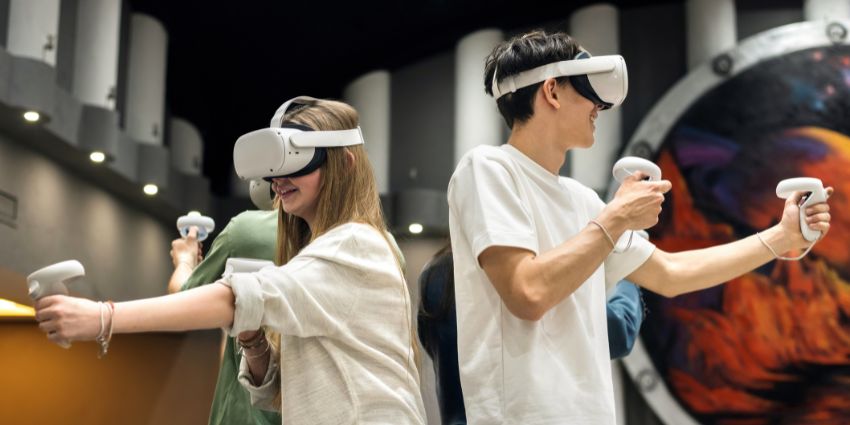
For VR enthusiasts, there was less to cheer about. Discord is coming to Quest in 2026, and Horizon Worlds got a new engine that loads worlds 4x faster and supports 100+ users. Horizon Hyperscape, which lets you scan real spaces with your Quest and revisit them in photorealistic VR, is now available in the US. People trying it are genuinely impressed.
Moohan Moves Closer: Samsung’s Day in the Spotlight Approaches
Speaking of things we’ve heard before, Project Moohan got another rumored launch date. After appearing at Qualcomm’s Snapdragon Summit this week (the first time Qualcomm, not Samsung, showcased it), reports suggest Samsung will unveil the XR headset on October 21 in an online event. A previous rumor said September 29, but that seems unlikely now.
The headset will use Qualcomm’s Snapdragon XR2+ Gen 2 chip, Google’s Android XR platform, and Sony’s OLEDoS displays with 3800 PPI (higher than Vision Pro’s 3391 PPI). Expected price: $1,800 to $2,900. We’ll see if October 21 actually happens or if we get another “coming soon” update.
Apple’s Core Updates: Software Now, Hardware Later
Apple had a busy week. First, they released VisionOS 26 to the public, bringing features that were teased at WWDC. The highlights:
- Much better Personas: They look way more realistic and less ghostly. If Apple keeps improving at this rate, Meta’s long-awaited Codec Avatars might arrive to find the market already satisfied.
- Permanent Widgets: You can now place widgets like calendar and weather in your space. Developers can build their own through WidgetKit. Meta promised similar “Augments” but never delivered. Apple beat them to it.
- PlayStation VR2 controller support: Gaming just got more interesting.
- 90Hz hand tracking: More responsive interactions.
- Colocated AR experiences: Multiple Vision Pro users in the same space can see and interact with the same AR content. Good luck finding another Vision Pro owner in the same room though.
But the bigger news? Vision Pro 2 is reportedly coming between late 2025 and early 2026.
The original Vision Pro struggled to justify its $3,499 price tag for many buyers. Apple’s second attempt promises fixes for the biggest complaints: an M5 chip for better performance, a redesigned head strap for improved comfort, and deeper AI integration through an upgraded neural engine.
There’s also talk of a Vision Air model, a lighter and more affordable option that could actually make spatial computing accessible to more than just early adopters and enterprise buyers willing to gamble on the technology. If Apple learned anything from the original Vision Pro’s reception, it’s that the tech might be impressive, but the price needs to make sense.
The Smart Glasses Bandwagon
The major XR hardware vendors seem to be firmly favoring smart glasses over other bulkier wearables.
Snap released Snap OS 2.0 for its Spectacles AR glasses, adding travel mode (for planes and trains), an overhauled web browser with WebXR support, and Spotlight (their TikTok equivalent). Consumer Spectacles are expected in 2026.
OpenAI is reportedly considering making smart glasses as part of its collaboration with Jony Ive’s LoveFrom design studio. According to reports, they’re working on a full line of devices including a smart speaker, and have “considered” glasses, voice recorders, and wearable pins. First device expected late 2026 or early 2027.
The Takeaway?
This week made one thing clear: smart glasses are where everyone’s betting their chips.
Meta’s going all-in with multiple models and price points. Apple’s improving Vision Pro and reportedly working on lighter, more affordable options. Samsung’s pushing its XR headset (eventually). OpenAI might join the party. Even Snap’s doubling down.
VR headsets aren’t dead, but the industry’s clearly decided that glasses you can wear all day are the real prize. Whether consumers agree remains to be seen, but at least we’ll have plenty of options to choose from.