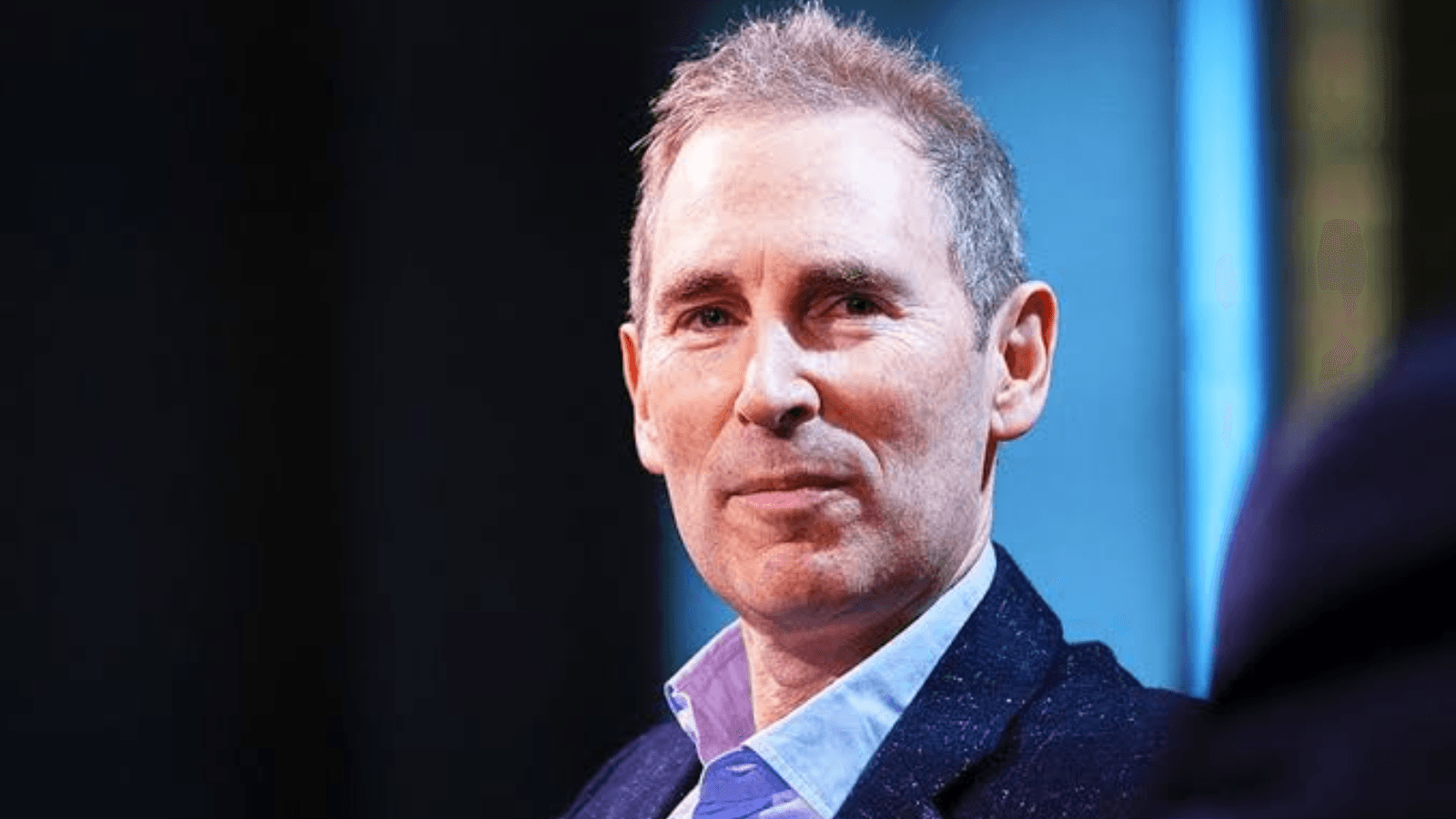
At UCX Manchester, conversations around the future of work quickly moved beyond technology alone. Across interviews with Rebecca Wray, Founder of Rebecca Wray Coaching Consultancy, Kalina Tomova, Founder of WomenWise, and Ebunoluwa Idowu, Cyber Resilience Specialist and Coding Black Women Ambassador, a clear theme emerged: employee engagement is being redefined by AI, hybrid work, inclusion, and the need for more human-centred leadership.
The workplace is changing quickly. AI is reshaping how entry-level employees learn, hybrid work is challenging how teams build relationships, and organisations are under growing pressure to prove that inclusion and DEI are more than policy statements.
For women in tech, and particularly underrepresented women in cybersecurity and digital roles, the question is no longer simply whether businesses are talking about inclusion, but whether employees can feel its impact day to day.
Doing More With Less: The Engagement Challenge Facing Leaders
Rebecca Wray described one of the defining pressures facing organisations today: leaders are being asked to maintain engagement while delivering more with fewer resources.
“I think all of my clients are facing the same problem where they’re having to do more with less.”
That pressure creates a difficult leadership balancing act. Organisations want to protect staff wellbeing, but many teams are also being asked to increase output. At the same time, hybrid and remote working continue to complicate onboarding, team-building and culture.
Wray noted that the informal “water cooler moments” that once helped relationships form naturally no longer happen in the same way. In distributed teams, leaders have to be much more intentional about building connection.
Watch the full interview here:
AI And Entry-Level Roles: Support Tool Or Learning Shortcut?
AI was another major theme running through the UCX Manchester conversations. Wray said she is excited by the potential of AI, particularly as a starting point for employees who may not feel confident asking a manager for help.
For early-career workers, AI can offer structure, ideas and a first step. However, Wray warned that it cannot replace human context.
“It doesn’t know me, it doesn’t know the other person, it doesn’t know the context, history”
That distinction is especially important for entry-level roles. AI can help new employees move faster, but leaders must ensure it does not remove the struggle, problem-solving and critical thinking that build long-term capability.
As Wray put it, there is a risk that people miss out on “really sitting in the mud and struggling through a problem”.
Building Engagement Across Generations
With more generations in the workplace than ever before, Wray also challenged assumptions about how different age groups respond to technology and change.
Rather than relying on stereotypes, she advised leaders to ask employees directly what they need.
One of her favourite questions is:
“For you to do the best job you can do, what do you need from me? How can I help you?”
That simple question is increasingly relevant in workplaces where AI adoption, hybrid models and shifting expectations affect employees differently. Engagement strategies need to be personal, not generic.
Inclusion At UCX Manchester: Moving Beyond Tick-Box DEI
For Kalina Tomova, the future of employee engagement cannot be separated from inclusion. She argued that women often leave tech roles because they do not feel recognised or cannot see a clear path ahead.
“A lot of the time when it comes to women leaving the workplace or leaving the tech workforce, it’s about the fact that they don’t feel recognised enough.”
Tomova urged organisations to give women better visibility of their future in the business. That means showing what progression could look like over the next five years, not simply discussing inclusion in broad terms.
She also said companies need to assess performance and pay data together to identify where bias may exist. The issue is not always performance itself, but how performance is perceived and reviewed.
Watch the full interview:
Stop Trying To “Fix Women” In The Workplace
A standout point from Tomova’s conversation was that organisations should stop trying to “fix women” and instead look at the systems and leadership models around them.
In some legacy organisations, leadership is still associated with traditionally masculine traits such as dominance or competitiveness. But Tomova highlighted the value of leadership traits often associated with women, including “empathy, emotional intelligence, cooperation” and a more team-building approach.
The future of DEI, she suggested, is not about asking women to adapt to outdated models of leadership. It is about creating space for different leadership styles to be visible and valued.
Hiring For Cultural Add, Not Cultural Fit
Tomova also encouraged organisations to look more carefully at where women sit within the business. Overall gender representation is not enough. Leaders should break data down by seniority, function and ethnic background to understand where women are progressing and where they are dropping out.