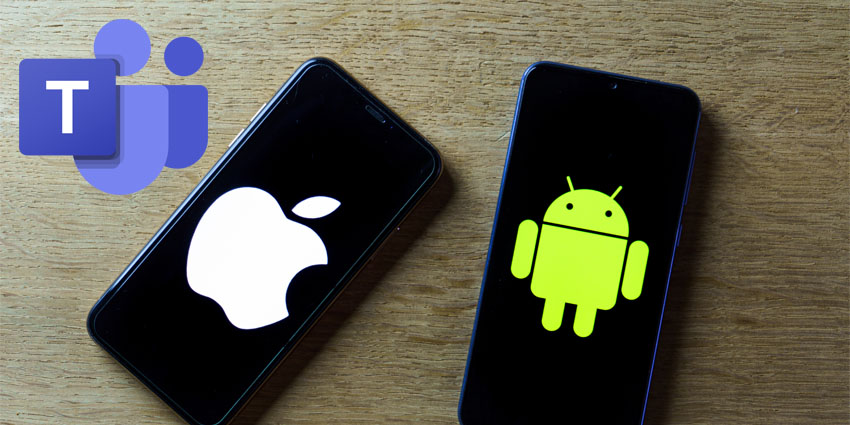

Microsoft has announced the general availability of highly anticipated Microsoft Teams optimizations across iOS and Android.
This critical update introduces the WebRTC Redirector Service to mobile enterprise users, fundamentally altering the architecture for processing audio and video for remote workers using Windows 365 and Azure Virtual Desktop. By rolling out this capability, the tech giant is directly targeting one of the most persistent technical hurdles in modern enterprise mobility: the severe latency of real-time communications within virtualized environments.
To understand the mechanics of this release, it is helpful to contextualize the traditional routing of virtualized media. Historically, when a mobile user initiated a video conference via a virtual desktop, the computationally intensive work was performed miles away in a centralized data center.
Microsoft’s architectural pivot solves this by implementing advanced media redirection techniques. Through the newly integrated WebRTC Redirector Service, the intense computational strain of audio and video processing is entirely offloaded from the remote virtual session. Instead, this processing is pushed to the edge, running locally on the user’s iPhone, iPad, or Android device. By effectively bypassing the virtual desktop infrastructure during active call routing, the application facilitates direct peer-to-peer streaming.
Following a rigorous and successful public preview phase, admins can now deploy this optimized architecture immediately, provided their backend environments meet Azure Virtual Desktop and Windows 365 configuration requirements.
- Microsoft: AI Agent Adoption Surging Ahead of Security Controls
- Microsoft Overhauls Copilot Leadership to Drive Enterprise Adoption and Accelerate Agentic AI in M365
The Market Analysis: A Shift Toward the Mobile Edge
For IT leaders and network architects, this development may signal far more than a routine software patch. It could say plenty about a broader market shift toward localized edge computing in unified communications. While the enterprise sector has spent the last decade centralizing data and applications to secure cloud environments, the physical limitations of bandwidth have consistently throttled the mobile experience. Virtual Desktop Infrastructure is excellent for data sovereignty and security, but it has historically been a blunt instrument for real-time video.
By decentralizing the compute burden and pushing it to the mobile edge, Microsoft is offering enterprises a highly lucrative operational upgrade. Centralized servers are no longer bogged down by the immense processing weight of decoding thousands of simultaneous high-definition video streams.
By processing media via the local endpoint, businesses can benefit from a more reliable communication experience. In turn, the corporate network can benefit from optimized bandwidth consumption.
This offloading strategy effectively extends the lifecycle of existing data center hardware and allows organizations to potentially scale down their centralized cloud compute tiers. In a budgetary climate where CFOs are scrutinizing every line item of cloud expenditure, the ability to slash corporate bandwidth consumption while simultaneously improving system performance is a compelling proposition.
It proves that the future of enterprise architecture relies on a hybrid approach. Centralized security paired with decentralized, edge-based processing power.
What the Microsoft Teams iOS and Android Update Means for the End User
Despite the complex backend revolution, arguably the most profound impact of this update is its absolute invisibility to the workforce. For the traveling sales exec dialing into a client presentation from an airport lounge, or the frontline healthcare clinician accessing patient records via a tablet, the tech gets out of the way.
Users are presented with the exact same, familiar Microsoft Teams interface they are already accustomed to using. There is no new software interface to navigate, no complex login protocols to memorize, and zero technical training required. The only noticeable difference is the sudden absence of friction. The stuttering video, the out-of-sync audio, and the dropped connections that have long plagued mobile virtual desktops are, in theory, replaced by highly responsive, crystal-clear interactions.
By leveraging the sophisticated silicon already sitting in the user’s hand, Microsoft has feasibly bridged the gap between strict corporate security and consumer-grade usability. End users need to download the latest version of the Windows App from the Apple App Store or Google Play Store to unlock a frictionless communication experience that finally matches the speed of modern business.